


Recent Comments
No comments to show.
The half-life of Gabapentin is between 5 and 7 hours, meaning it can take up to 2 days for gabapentin to leave a person’s system completely. [1] Urine tests or hair tests may be able to detect traces of this anticonvulsant drug for longer, up to 90 days in some cases.
Gabapentin is a member of a class of drugs known as antiepileptic drugs. The FDA has approved it for use in treating seizures, restless legs syndrome, and postherpetic neuralgia (also known as nerve pain resulting from shingles). [2] However, it’s used off-label for a number of different conditions, including movement disorders, anxiety, and addiction treatment for alcohol use disorder.
Gabapentin is available in both immediate-release and extended-release formulas and may be known by the brand names Neurontin, Gralise, and Horizant. [3] While not a controlled substance at the federal level, gabapentin has recently been associated with an increased risk of substance abuse and addiction. This has prompted several states in the Southern region of the United States to pass laws restricting its availability and use.
No matter what state you live in, you must have a doctor’s prescription to use gabapentin legally, and you must only take it as prescribed. Recreational use of this drug, especially when combined with opioids, can result in severe adverse outcomes, including fatal overdose.
Even though gabapentin almost entirely clears the system within 48 hours, it can leave traces behind in a person’s urine or hair, for example. This means a drug screening may still identify gabapentin in these substances for a period of time.
The exact detection window and drug metabolism for gabapentin can vary based on a number of different factors, primarily the type of drug test administered, as well as the individual’s metabolism. A urine test, for example, may be able to detect traces of gabapentin for up to three days, while a hair follicle test might show signs of gabapentin use for up to 90 days or more. [4]
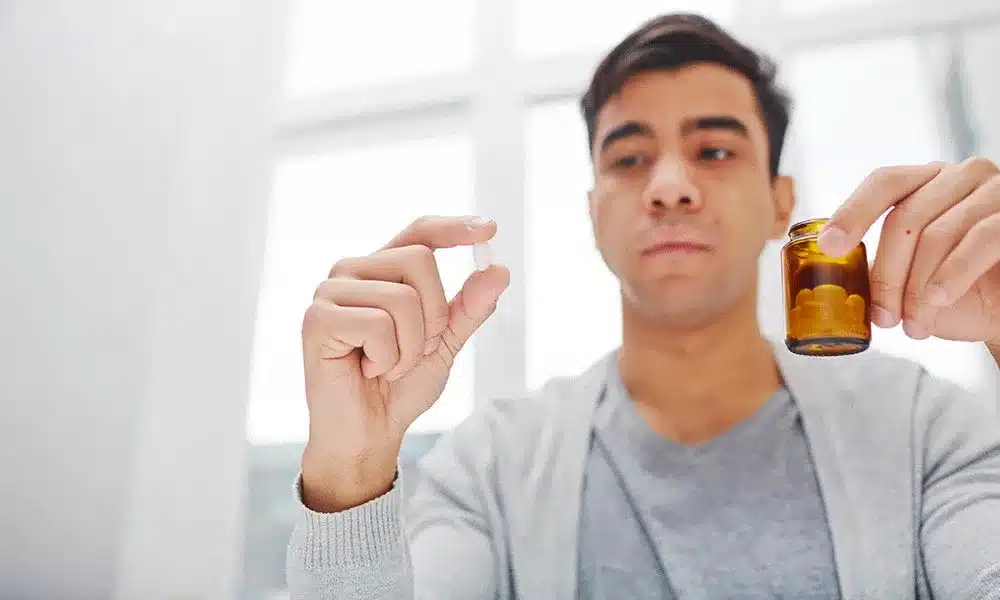
Drugs affect people differently, from the time they’re ingested to the time they leave the body. The amount of time it takes your body to eliminate gabapentin can depend on a number of different variables, including: [5]
Although it remains in your system for longer, the effects of gabapentin typically wear off within eight hours; however, this duration can vary depending on your prescription and individual factors. Don’t drive or operate heavy machinery while taking gabapentin until you know how it affects you.
Some people experience mild side effects when taking gabapentin as prescribed by a doctor. Taking it in higher doses or for recreational purposes can result in more serious side effects, as well as other adverse effects such as substance use disorder and drug overdose. Generally, common side effects of gabapentin will include: [6]
If these side effects become intolerable or last for more than a few days, contact your healthcare provider.
Although Gabapentin isn’t considered a narcotic, it can still cause adverse effects, including the risk of substance use disorder and other complications. [7]
Some people taking gabapentin experience suicidal thoughts and behaviors. This risk may be higher for people with a history of mental health issues or those taking other anticonvulsants with gabapentin. Tell your doctor if you have any mood changes while taking gabapentin.
Gabapentin acts on the central nervous system and can cause slowed or stopped breathing, referred to as respiratory depression. This risk is compounded when gabapentin is mixed with other central nervous system depressants like alcohol or opioid drugs.
Allergic reactions to gabapentin are rare, but when they do occur, they can be serious. Seek medical attention immediately if you experience trouble breathing or swelling in your face after taking gabapentin; these could be signs of anaphylaxis.
Recently, a connection has been established between gabapentin and substance abuse. While some recreational users may use gabapentin alone to achieve a “marijuana-like” high, many combine the drug with opioids. [8] This is a particularly concerning and sometimes deadly practice.
Using gabapentin without a prescription or in doses higher than prescribed can lead to substance use disorder (SUD), which can further increase the risk of a fatal overdose. Common symptoms of SUD include: [9]
If you have just two or more of these symptoms, you may have a substance use disorder that requires immediate treatment. Disorders like this typically get worse when left untreated, and progression can happen quickly. The longer you wait to seek treatment, the more challenging recovery might be.
If you become addicted to gabapentin and/or combine it with other drugs (particularly alcohol or opioid drugs) to get high, you’re at risk of a life-threatening overdose. Signs and symptoms of an overdose may include: [10]
Signs of a drug overdose constitute a medical emergency. Call 911 and stay with the person until first responders arrive.
If you or a loved one has symptoms of a substance use disorder, including addiction to gabapentin, opioid drugs, or any other substances, help is available. This isn’t something you have to deal with on your own, and there is a science to recovery. Evidence-based treatment options may include medical detox, inpatient treatment, outpatient services, and aftercare support.
[1] [2] [5] [11] Yasaei, R. (2024a, February 21). Gabapentin. StatPearls [Internet]. Retrieved from: https://www.ncbi.nlm.nih.gov/books/NBK493228/. Accessed on August 4, 2025.
[3] [6] Gabapentin: Uses, dosage, side effects, warnings. Drugs.com. (n.d.-n). Retrieved from: https://www.drugs.com/gabapentin.html. Accessed on August 4, 2025.
[4]Directory of services. (n.d.). Retrieved from: https://jdos.nicholsinstitute.com/dos/alvernolaboratories/. Accessed on August 4, 2025.
[7] [12] Gabapentin (Neurontin): Uses, Side Effects, dosage & reviews. (n.d.-p). Retrieved from: https://www.goodrx.com/gabapentin/what-is. Accessed on August 4, 2025.
[8] Abuse of opioid alternative gabapentin is on the rise • stateline. (n.d.-a). Retrieved from: https://stateline.org/2018/05/10/abuse-of-opioid-alternative-gabapentin-is-on-the-rise/. Accessed on August 4, 2025.
[9] What is substance use disorder?. Cleveland Clinic. (2025af, July 7). Retrieved from: https://my.clevelandclinic.org/health/diseases/16652-drug-addiction-substance-use-disorder-sud. Accessed on August 4, 2025.
[10] Recognizing opioid overdose – national harm reduction coalition. (n.d.-ah). Retrieved from: https://harmreduction.org/issues/overdose-prevention/overview/overdose-basics/recognizing-opioid-overdose/. Accessed on August 4, 2025.
At Embers Recovery, we take your health and wellness seriously. We have a thorough process in place to ensure the integrity of information that is displayed on our website. All content published to our site undergoes a rigorous medical review by a doctorate level clinician to ensure medical accuracy.
Read More About Our Process Is Baclofen a Controlled Substance?
 What Does Laced Mean? Definition, Slang, and Laced Drugs Risks
 Pregabalin vs Gabapentin: Which Is Stronger?