



Recent Comments
No comments to show.
Starting Accutane treatment represents a significant commitment to your skin health. Accutane, known generically as isotretinoin, is one of the most potent medications for treating severe acne that hasn’t responded to other treatments. While it can deliver life-changing results, it requires strict adherence to medical guidelines.
Many people wonder if they can drink alcohol during treatment. At The Embers, we believe informed decisions are empowered decisions. This article provides research-backed guidance on the interaction between Accutane and alcohol, the potential risks, and how to prioritize your well-being during treatment.
Accutane, or isotretinoin, is a prescription medication derived from vitamin A. Originally approved in 1982, it has become the gold standard for treating severe, cystic, or nodular acne [1]. The medication works by dramatically reducing sebum (oil) production, shrinking sebaceous glands, slowing skin cell turnover, and reducing inflammation. Most patients complete a treatment course lasting between four and five months, often experiencing significant clearing that can last for years.
Because Accutane is such a potent medication, it requires careful monitoring. The drug is metabolized primarily in the liver, and some patients experience elevations in liver enzymes during treatment. Research shows that approximately 15% of patients show elevations in liver function tests during treatment [1]. This is why dermatologists require baseline blood work before starting and regular monitoring throughout your course.
Your liver is the primary organ responsible for metabolizing both alcohol and isotretinoin. When you introduce both substances simultaneously, your liver must work significantly harder to break them down and eliminate them from your body. This increased workload creates a genuine risk of liver toxicity and damage.
Another critical factor is how long isotretinoin stays in your body. After your last dose, the medication can remain detectable for up to eight days. This means the potential for interaction between alcohol and isotretinoin extends beyond the day you stop taking Accutane—something many people don’t realize when planning their treatment.
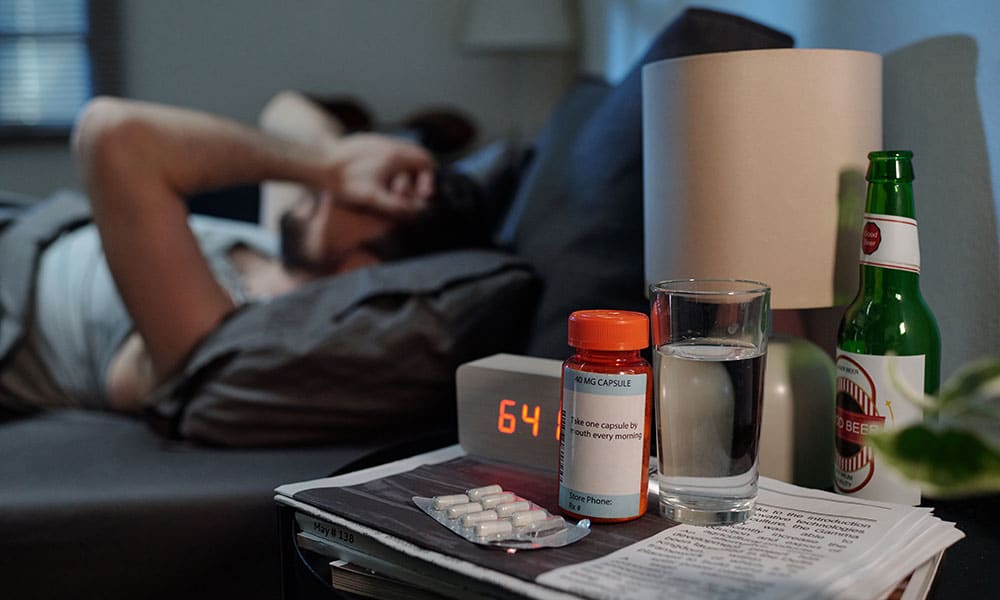
High alcohol intake is associated with elevated triglyceride levels, alcoholic fatty liver disease, cardiovascular disease, and pancreatitis [2]. Alcohol‑induced hypertriglyceridemia results from increased very‑low‑density lipoprotein secretion and impaired lipid breakdown, and experts advise patients with high triglycerides to reduce or stop drinking. Because isotretinoin itself can raise triglyceride levels and commonly causes mucocutaneous side effects such as dry lips and skin [1], adding alcohol may exacerbate both lipid abnormalities and dehydration.
Both Accutane and alcohol can independently raise cholesterol and triglyceride levels. High triglycerides can lead to pancreatitis, a painful and potentially dangerous inflammation of the pancreas, as well as cardiovascular problems. During treatment, your dermatologist will regularly monitor your lipid levels through blood work. If you have pre-existing lipid issues, you’re at even greater risk when combining alcohol with isotretinoin.
Government safety updates have noted reports of psychiatric disorders, including depression, anxiety, and, rarely, suicidal thoughts, among people taking isotretinoin. Prescribers are asked to discuss mental health history with their patients, warn them and their families to watch for mood changes, and to seek evaluation if symptoms appear [3].
Accutane commonly causes dry skin, chapped lips, dry eyes, and general dehydration [1]. Many people also experience headaches, fatigue, and joint pain. Alcohol compounds these issues because it’s a diuretic, which causes your body to lose fluids more quickly. When you drink while on Accutane, side effects like dry skin, cracked lips, and headaches often become significantly worse. Dehydration can also lead to dizziness, nausea, and vomiting. Alcohol may also worsen the “Accutane purge”—a temporary worsening of acne early in treatment.
Accutane can cause severe congenital disabilities if taken during pregnancy [1]. Anyone who can become pregnant must use two forms of contraception during treatment and continue doing so for one month after stopping. Alcohol impairs judgment, making you more likely to engage in unprotected sexual activity. Even one contraceptive failure while on Accutane could result in pregnancy with devastating consequences, including severe abnormalities of the brain, heart, face, and other organs.
Some physicians may allow occasional, small amounts of alcohol if lab results remain normal. However, there is remarkably little research on the safety of even moderate drinking while taking isotretinoin. Given this lack of concrete evidence, the overwhelming majority of dermatologists and addiction specialists recommend complete abstinence from alcohol throughout your entire course of treatment.
At The Embers, we see choosing abstinence during Accutane as an opportunity for self-care and personal growth. This four- to five-month period represents a commitment to your health that extends beyond just clearing your skin. For some people, this period of abstinence may even reveal important information about their relationship with alcohol, opening doors to deeper healing.
Alcohol isn’t the only substance that can interact problematically with Accutane. Because isotretinoin is derived from vitamin A, you should never take vitamin A supplements or other retinoid medications while on treatment, as this can lead to vitamin A toxicity [4]. The combination creates headaches, skin changes, abnormal liver function tests, and, in pregnant women, fetal malformations [5].
Certain antibiotics, particularly tetracyclines, should be avoided during Accutane treatment. The combination can increase the risk of pseudotumor cerebri, a condition that causes dangerous pressure buildup in the skull [6]. Anti-seizure medications may also interact with isotretinoin. Even herbal supplements warrant caution—St. John’s Wort, for example, can interfere with hormonal contraceptives. Recreational drugs pose significant risks as well, potentially worsening side effects, straining your liver, or creating dangerous cardiovascular effects. Always disclose every medication, supplement, and substance you’re using to your healthcare provider.
While complete abstinence is safest, we recognize that people make their own health decisions. If you choose to drink despite medical recommendations, understanding harm reduction can help minimize potential damage:
After your final dose, isotretinoin can take up to eight days to be fully eliminated from your body. Many medical experts recommend waiting at least one month after completing treatment before drinking alcohol. This waiting period ensures the medication has completely cleared and gives your liver time to recover.
However, the timeline varies based on individual factors, including overall health, liver function, metabolism, and your treatment dosage and duration. Consult directly with your prescribing dermatologist before resuming alcohol. Your doctor can review your final blood work and provide personalized guidance based on how your body responded throughout treatment.
The question “Can you drink on Accutane?” has a clear answer: no. Mixing alcohol with isotretinoin significantly increases your risk of serious health complications, including liver damage, elevated cholesterol and triglycerides, pancreatitis, worsened mental health symptoms, and intensified side effects.
Choosing to abstain from alcohol during your Accutane treatment isn’t a sacrifice. It’s an investment in your health and your future. This four-to-five-month period represents an opportunity to demonstrate self-care and commitment to well-being that extends far beyond clearing your skin.
At The Embers, we understand that making lifestyle changes can feel challenging. Whether you’re navigating Accutane treatment, working through substance use concerns, or trying to make healthier choices, you don’t have to do it alone. Our compassionate team specializes in supporting individuals as they move toward wellness.
If you’re finding it difficult to avoid alcohol during Accutane treatment, or if taking a break from drinking is harder than expected, these insights are valuable. They may indicate that alcohol plays a larger role in your life than you realized. Whether you’re dealing with substance use disorder, mental health challenges, or simply want guidance on healthier decisions, we’re here to help.
Before starting or continuing Accutane treatment, have an honest conversation with your dermatologist about your alcohol use. If you’re ready to explore treatment options or simply want to talk with someone who understands, reach out to The Embers. We’re here to walk alongside you with compassion, expertise, and an unwavering belief in your capacity for healing and transformation.
[1] Pile, H. D., Patel, P., & Sadiq, N. M. (2025). Isotretinoin. StatPearls. StatPearls Publishing. Retrieved from: https://www.ncbi.nlm.nih.gov/books/NBK525949/. Accessed on September 22, 2025.
[2] Klop, B., Torres do Rego, A., & Castro Cabezas, M. (2013). Alcohol and plasma triglycerides. Current Opinion in Lipidology, 24(4), 321–326. Retrieved from: https://pubmed.ncbi.nlm.nih.gov/23511381/. Accessed on September 22, 2025.
[3] Medicines and Healthcare products Regulatory Agency. (2014). Isotretinoin (Roaccutane): reminder of possible risk of psychiatric disorders (Drug Safety Update). GOV.UK. Retrieved from: https://www.gov.uk/drug-safety-update/isotretinoin-roaccutane-reminder-of-possible-risk-of-psychiatric-disorders. Accessed on September 22, 2025.
[4] Olson, J. M., Ameer, M. A., & Goyal, A. (2023). Vitamin A toxicity. StatPearls. StatPearls Publishing. Retrieved from: https://www.ncbi.nlm.nih.gov/books/NBK532916/. Accessed on September 22, 2025.
[5] Johnson, L. E. (2024). Vitamin A toxicity. In Merck Manual Professional Version. Retrieved from: https://www.merckmanuals.com/professional/nutritional-disorders/vitamin-deficiency-dependency-and-toxicity/vitamin-a-toxicity. Accessed on September 22, 2025.
[6] U.S. Food and Drug Administration. (2014). Doxycycline Hyclate Tablets (label). Retrieved from: https://www.accessdata.fda.gov/drugsatfda_docs/label/2016/90431orig1s010lbl.pdf. Accessed on September 22, 2025.
At Embers Recovery, we take your health and wellness seriously. We have a thorough process in place to ensure the integrity of information that is displayed on our website. All content published to our site undergoes a rigorous medical review by a doctorate level clinician to ensure medical accuracy.
Read More About Our Process What Is The Most Addictive Drug? Understanding Addiction Potential
 Does Xanax Cause Dementia? What To Know About Long-Term Risks
 Adderall: Effects on Personality and Mood