








Table of Contents
Key Points
- Kratom effects may last from several hours to several days, varying with dose and frequency of use.
- Standard drug tests usually do not detect kratom; a kratom-specific test is used.
- Kratom's half-life helps explain why detectability varies from person to person.
- Dose, frequency, product type, and health factors all influence effect and elimination timelines.
- Support is available if stopping kratom feels difficult or brings withdrawal symptoms.
Kratom, also known by its botanical name Mitragyna speciosa, is a plant native to Southeast Asia that contains naturally occurring alkaloids with stimulant-like and opioid-like effects [1]. Many people searching for answers about kratom are trying to understand safety, testing, or next steps toward recovery. If you are wondering how long kratom stays in a person’s system, it helps to know that timelines can vary widely. Kratom does not have a specific “life span” in the body; rather, it can remain in the person’s body for varying lengths of time depending on many factors, including dose taken [2].
The information below is meant to educate. It is not medical advice or an endorsement of the use of kratom. Individual experiences will differ.
Quick Answer: Typical Kratom Detection Windows (By Test Type)
Urine
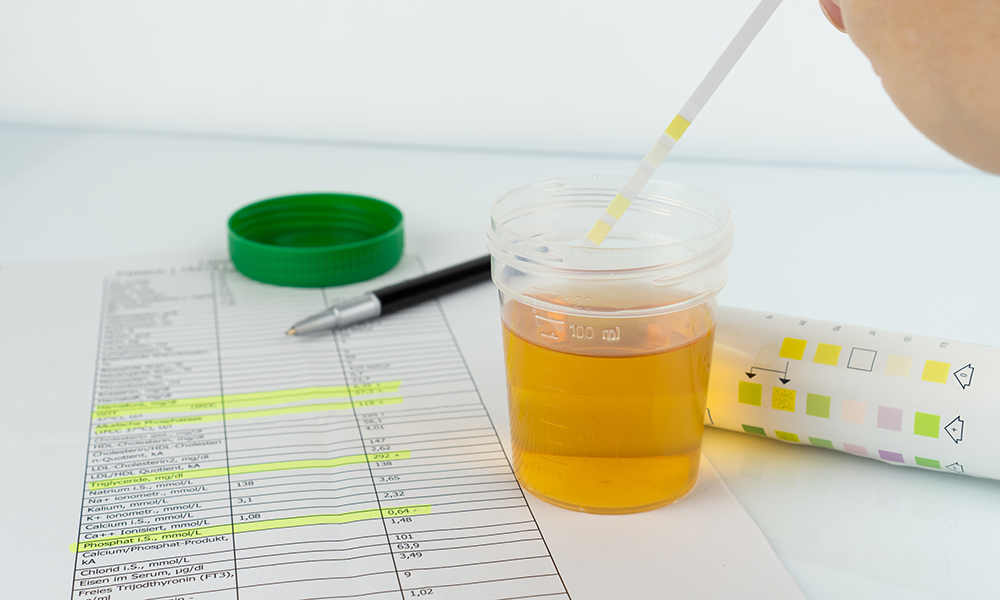
Kratom is more commonly tested for in urine, and there is a variance in the time frame of detection. For a single or occasional use, urine test detection may last several days. With regular or heavy use, some sources report detection windows extending up to one or two weeks [3].
Blood
Blood testing has a shorter detection window than urine, often one to three days, and is rarely used in workplace settings. It is more common in research or clinical contexts [4].
Saliva
Saliva testing for kratom is uncommon. Available evidence suggests a short window, usually one to two days, but testing methods are limited and not standardized [2].
Hair
Hair follicle testing can theoretically detect substances for weeks or months [1]. In practice, hair tests for kratom are rare.
Most standard workplace panels do not detect kratom
Standard five-panel drug tests typically screen for tetrahydrocannabinol (THC), cocaine, opiates, amphetamines, and phencyclidine (PCP) [1]. Kratom’s primary alkaloid, mitragynine, is chemically different from these substances and is not included in standard panels.
When kratom can be detected
Kratom can be detected when a test is specifically designed to look for it. Expanded or clinical testing may use advanced testing methods such as liquid chromatography-mass spectrometry to identify kratom alkaloids or metabolites [3].
Practical decision guide
- Workplace pre-employment screen: usually does not include kratom
- Clinical monitoring or specialized programs: more likely to test for kratom
- Legal or probation settings: depends on policy and jurisdiction
This information is general and not legal advice.
How Long Does Kratom Stay Active? (Effects Timeline)
Onset, peak, and duration
Kratom effects typically appear 15 to 45 minutes after ingestion, reach peak intensity approximately one to three hours following ingestion, and diminish approximately two to 6 hours after ingestion [4]. This is also affected by the product taken and the dose ingested.
Why “active” and “detectable” are not the same
Kratom effects do not indicate when kratom is no longer in your body. The body’s ability to detoxify or eliminate kratom varies substantially based on the use of kratom by that particular person [3]. This is why you may no longer feel drug effects but it can still be detected in the body for days.
Kratom Half-Life Meaning (and Why It Matters)
What “half-life” means
The “half-life” of a drug is the amount of time it takes for the concentration of that substance in the body to decrease by 50%. “Half-life” varies with the individual, the method of use, and the frequency of use [4].
What we know from human research (and limitations)
Human pharmacokinetic studies have shown that the half-life of mitragynine is approximately 23 hours, but there is insufficient human data available to provide accurate conclusions regarding the half-life of kratom [3]. Although there was a large diversity among the subjects who participated in this research, the amount of product used was also diverse; furthermore, the patterns of chronic use were not adequately reflected in the study population.
The “4 to 5 half-lives” rule of thumb
Most commonly used clinical guidelines indicate that it takes approximately four to five half-lives to eliminate most of a substance from the body [5]. This is a general estimate, and there are no guarantees that a substance is not detectable after a certain amount of time.
Does Duration Depend on Dosage and Frequency?
Dose
A higher dose may increase the duration of effects and the time that kratom is detectable in the body.
Frequency and accumulation
When kratom is used daily or repetitively, there may be an accumulation of kratom alkaloids in the body [5]. Some researchers have suggested that kratom may be accumulated through regular daily ingestion.
Product type
Kratom leaf powder and kratom concentrated extracts can vary substantially in alkaloid levels by product. Variations in alkaloid content by batch would likely cause variations in the time it takes for the substance to leave the body [2].
What Factors Influence How Long Kratom Stays in the Body?
Many factors related to the individual’s personal and medical history may be taken into consideration to determine how long kratom will be detectable within the individual’s body:
- Metabolism and genetics
- Body fat and distribution of substances
- Liver and kidney function
- Age
- Hydration
- Overall health
- Interactions with other substances or medications
What If Someone Is Trying to Stop Kratom Use?
Withdrawal and timing
Kratom withdrawal symptoms can vary significantly between individuals. Common withdrawal symptoms include:
- Physical discomfort: Muscle aches, joint pain, and tremors.
- Digestive issues: Nausea, vomiting, and changes in appetite.
- Sleep disturbances: Significant insomnia and a feeling of restlessness.
- Emotional changes: Increased irritability, anxiety, and periods of depression.
- Physical reactions: Runny nose, watery eyes, and excessive sweating.
Some individuals may experience symptoms within 24 hours of ceasing use. The intensity probably varies with the amount of alkaloids ingested, the frequency and the duration of use[5]. It’s unpredictable; there is no standardization of products. Supportive care may help ease discomfort due to withdrawal.
When to seek professional help
Professional support for stopping kratom may be helpful in instances where the individual is escalating their use or having difficulty stopping use, when the individual is experiencing withdrawal symptoms, or when the individual is combining kratom with any other substance or medication [5]. At The Embers, we offer compassionate, confidential assessments to help people explore safe next steps toward recovery.
Embers Recovery Editorial Guidelines
At Embers Recovery, we take your health and wellness seriously. We have a thorough process in place to ensure the integrity of information that is displayed on our website. All content published to our site undergoes a rigorous medical review by a doctorate level clinician to ensure medical accuracy.
Read More About Our Process