

Need Professional Help with Addiction?
Behavioral Health FAQs
Table of Contents
Key Points
- Methocarbamol has a short half-life of approximately 1 to 2 hours in healthy adults, meaning the drug concentration is reduced by half within this timeframe.
- Most healthy individuals eliminate about 97% of methocarbamol within 5 to 10 hours after the last dose.
- Standard workplace drug tests typically don't screen for methocarbamol, though specialized tests can detect it in urine.
- Factors like age, liver or kidney impairment, dosage, and frequency of use significantly affect how long the medication remains detectable in your system.
- Detection windows vary by test type: urine tests may detect it for 24-48 hours, blood tests for only a few hours, and hair tests theoretically for up to 90 days.
- Always disclose prescription medications to healthcare providers and employers to ensure accurate test interpretation and workplace safety.
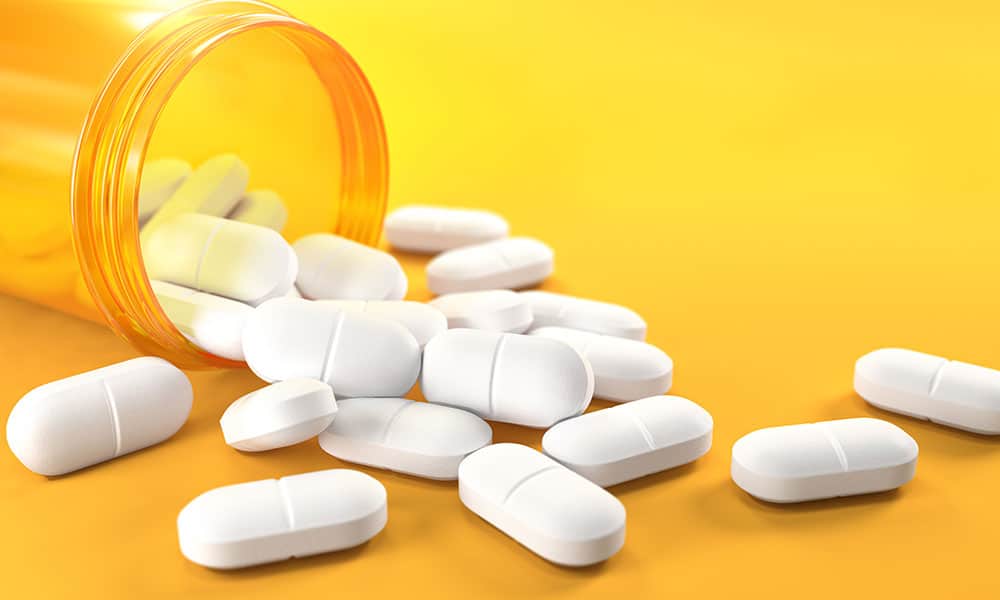
Methocarbamol is a skeletal muscle relaxant commonly used to treat muscle spasms and musculoskeletal pain. It depresses the central nervous system (CNS – the brain and spinal cord) and inhibits nerve impulses. Understanding how long methocarbamol stays in your body can help you understand how it affects multiple aspects of your treatment plan. Knowing about drug elimination times helps you understand when medications will leave your system so you can plan medical procedures and avoid dangerous drug interactions [1] with over-the-counter or other prescription drugs.
What Is the Half-Life of Methocarbamol?
Understanding a medication’s half-life is essential for knowing how long it will affect your body. The term “half-life” refers to the time it takes for the concentration of a drug in your bloodstream to reduce by half. This measurement helps healthcare providers determine the appropriate dosing schedules [1] and enables patients to understand when a medication will be eliminated from their body.
For methocarbamol, oral tablets sometimes sold under the brand name Robaxin, research shows that the half-life is typically around 1 to 2 hours in healthy adults. This relatively short half-life means that the medication works quickly but also leaves your system fairly rapidly compared to many other medications.
How Long Does Methocarbamol Stay in Your Body?
In pharmacology, the general rule is that it takes approximately 4 to 5 half-lives [2] for a medication to be considered mostly eliminated—specifically, about 97% cleared from your body. With its 1 to 2 hour half-life, this means most healthy individuals will eliminate the medication within approximately 5 to 10 hours after their last dose of methocarbamol.
However, different sources cite varying timeframes based on specific circumstances. While the 5- to 10-hour window applies to healthy individuals with normal liver and kidney function, some medical literature suggests that under certain conditions, traces of methocarbamol or its metabolites may remain detectable for 24 to 48 hours. These extended timeframes typically apply to individuals with impaired organ function, those taking higher doses, or people using the medication frequently over extended periods.
Can Methocarbamol Be Detected on Drug Tests?
One of the concerns people have about methocarbamol is whether it will show up on drug screenings. Understanding detection windows and what tests actually detect can help ease anxiety about workplace drug tests or other screening situations.
Detection Windows by Test Type
The type of drug test administered [3] significantly affects whether methocarbamol will be detected:
Urine Tests: Methocarbamol and its metabolites can typically be detected in urine for approximately 24 hours after your last dose.
Blood Tests: Blood tests have a brief detection window for methocarbamol, usually only a few hours. Because the medication has such a short half-life and is rapidly cleared from the bloodstream, blood tests are rarely used to detect methocarbamol unless testing occurs very soon after administration.
Hair Tests: Theoretically, methocarbamol could be detected in hair follicles for up to 90 days, similar to many other drugs. However, this is largely theoretical because methocarbamol is not commonly included in standard hair testing panels.
Standard Drug Test Panels
Standard workplace panels focus on drugs that are commonly abused or that pose significant workplace safety risks. Methocarbamol, while it can cause drowsiness, isn’t typically included in these panels because it’s not a controlled substance and has low abuse potential.
That said, specialized or forensic drug tests can detect methocarbamol if specifically requested. Some situations where expanded testing might occur include:
- Legal or forensic investigations
- Comprehensive medication monitoring programs
- Specific employer requirements in safety-sensitive positions
- Medical evaluations in which drug interactions are a concern
Factors That Affect How Long Methocarbamol Stays in Your Body
Age-Related Changes
Aging affects how your body processes medications. As we get older, several physiological changes occur:
- Decreased liver enzyme activity reduces how quickly drugs are metabolized
- Reduced kidney filtration means slower elimination of drugs and metabolites
- Changes in body composition (typically increased fat tissue, decreased water content) can affect drug distribution within the body
- Reduced blood flow to organs may slow drug processing
These changes explain why older adults often require lower doses of medications or less frequent dosing schedules. If you’re older, your healthcare provider should monitor your response to methocarbamol carefully and may adjust your treatment accordingly.
Liver and Kidney Function
Your liver and kidneys [2] work together as your body’s primary filtration and detoxification system. When either organ isn’t functioning optimally, medication clearance slows significantly.
Liver Impairment: Conditions affecting the liver include:
- Cirrhosis
- Hepatitis (viral or alcoholic)
- Fatty liver disease
- Liver cancer
- Certain genetic conditions affecting liver enzymes
If you have any liver condition(s), inform your healthcare provider before starting methocarbamol. They may need to adjust your dose, extend the time between doses, or choose an alternative medication.
Kidney Impairment: Kidney problems that affect drug elimination [4] include:
- Chronic kidney disease
- Acute kidney injury
- Diabetes-related kidney damage
- High blood pressure affecting kidney function
Medical professionals can assess your kidney function with simple blood tests and adjust your medication accordingly.
Dosage and Frequency
The amount of methocarbamol you take and how often you take it significantly affects accumulation in your body. Consider these scenarios:
Single Low Dose: If you take one 500mg tablet, it will clear relatively quickly, within about 5 to 10 hours for most people.
Higher Doses: The maximum daily dose can reach 8,000mg in severe cases (typically divided into multiple administrations). At these higher doses, even with the short half-life, you’ll maintain higher baseline levels of the medication.
Frequent Dosing: Taking methocarbamol three or four times daily means each new dose arrives before the previous one is fully eliminated. This creates a steady-state concentration.
Chronic Use: Using methocarbamol for extended periods (weeks or months) can lead to greater accumulation, particularly if you have any factors that slow elimination.
Drug Interactions
Other medications you’re taking can affect how quickly your body processes methocarbamol. Some drugs inhibit liver enzymes responsible for breaking down medications, while others speed up these enzymes. Some antibiotics, antifungals, some antidepressants, and grapefruit juice can slow methocarbamol elimination. Some seizure medications, tuberculosis treatments, and St. John’s wort (an herbal supplement) can accelerate methocarbamol elimination.
Combining methocarbamol with benzodiazepines, opioids, or alcohol significantly increases the risk of severe CNS depression. Their concurrent use creates additive effects that can lead to profound drowsiness, extreme dizziness, and a dangerous loss of motor coordination. Combining any of these with methocarbamol can also cause respiratory depression (shallow, slow breathing that leads to a lack of oxygen), coma, or death. Patients are generally advised to avoid alcohol entirely and use opioids or benzodiazepines with methocarbamol only under strict medical supervision and at the lowest possible doses.
Always provide your healthcare provider with a complete list of all medications, supplements, and herbal products you’re using.
Other Individual Factors
Several additional factors affect drug metabolism:
Body Mass and Composition: Your body size, muscle-to-fat ratio, and overall composition influence how drugs distribute throughout your system. Larger individuals may process medications differently from smaller ones.
Metabolic Rate: Some people naturally have faster or slower metabolisms due to genetic factors, thyroid function, or overall health status.
Hydration Status: Adequate hydration helps your kidneys filter and eliminate medications efficiently. Dehydration can slow this process. Excessive hydration does not speed up elimination.
Overall Health: Chronic illnesses, nutritional status, and general health conditions all play roles in how efficiently your body processes medications.
Taking the Next Steps
Understanding how methocarbamol behaves in your body empowers you to use this medication safely and effectively. Remember that everyone’s body processes medications differently. Your age, organ function, other health conditions, and concurrent medications all influence how long methocarbamol stays in your body. Don’t hesitate to ask your healthcare provider questions about your specific situation—they can provide personalized guidance based on your complete medical picture.
If you’re concerned about drug testing [2], keep in mind that standard workplace screenings usually don’t include methocarbamol. However, always disclose your prescription medications to ensure transparency and proper interpretation of any results. Your health and safety—not to mention your peace of mind—are worth open communication with healthcare providers and employers.
At The Embers, we understand that navigating medication use while in recovery or managing co-occurring conditions can feel overwhelming. Our outpatient treatment programs in Phoenix, Arizona, provide comprehensive support for individuals dealing with substance use disorders, mental health conditions, and related concerns. We’re here to help you understand your medications, manage your treatment effectively, and support your journey toward lasting wellness.
Frequently Asked Questions About Methocarbamol
Sources
[1] U.S. Food and Drug Administration. (2004). Robaxin (methocarbamol) injection label (NDA 11-790/S-046). https://www.accessdata.fda.gov/drugsatfda_docs/label/2004/11790slr046_robaxin_lbl.pdf
[2] Hallare, J., & Gerriets, V. (2023). Half life. In StatPearls. StatPearls Publishing. https://www.ncbi.nlm.nih.gov/books/NBK554498/
[3] Substance Abuse and Mental Health Services Administration. (2024). Medical review officer guidance manual for federal workplace drug testing programs (UrMG & OFMG). https://www.samhsa.gov/sites/default/files/mro-guidance-manual-2024.pdf
[4] Drugs.com. (2025, February 14). Methocarbamol [Professional monograph]. Wolters Kluwer Health. https://www.drugs.com/monograph/methocarbamol.html
[5] DailyMed. (n.d.). Methocarbamol tablet — drug labeling and pharmacokinetics. https://dailymed.nlm.nih.gov/dailymed/drugInfo.cfm?setid=eed9ebd1-c243-4e82-bf4e-5fec370e722e
Embers Recovery Editorial Guidelines
At Embers Recovery, we take your health and wellness seriously. We have a thorough process in place to ensure the integrity of information that is displayed on our website. All content published to our site undergoes a rigorous medical review by a doctorate level clinician to ensure medical accuracy.
Read More About Our Process