Home /
Arizona’s Premier Sober Living
Sober Living in Phoenix, AZ – Upscale Amenities and Professional Support During Recovery
SOBER. LIVING.
SOBER. LIVING.
SOBER. LIVING.
SOBER. LIVING.
SOBER. LIVING.
Sober living isn’t something far off in the vague distance that one may or may not achieve. It’s a real, attainable goal that we help our clients reach every day. Start living a healthy, positive, sober life that’s aligned with long-term goals.
The Embers’ Sober Living strengthens each resident’s path to recovery through a carefully structured environment in Phoenix. The daily practice of recovery skills happens naturally within a community of peers who share similar goals and challenges, and residents thrive with the perfect blend of independence and accountability.





What Is Sober Living?
Sober living homes provide a safe, drug-free place to live while working on recovery.[1] These homes help people transition from treatment back to regular life by offering structure and support in a comfortable setting.
House residents follow basic house rules like staying clean, helping with chores, and going to recovery meetings. While living there, people can work, go to school, or continue treatment. This helps them practice their recovery skills while getting back into everyday routines.
The Embers Sober Living is Phoenix’s finest recovery housing option. Our homes offer beautiful spaces, professional staff, and a supportive community. Residents get the guidance they need while learning to manage daily life in recovery.
Living with others who understand recovery creates lasting friendships and support networks. Residents share meals, attend meetings, and help each other through tough times. This mix of community support and structured living helps people build confidence and prepare for independent living.
How Sober Living Benefits Addiction Treatment
Sober living transforms the way people experience recovery by extending recovery support in treatment. During outpatient care, clients learn essential tools and strategies for maintaining sobriety. Living in a recovery-focused environment allows them to practice these skills daily, turning new behaviors into lasting habits that support long-term success.[2]
The combination of outpatient treatment and sober living creates an ideal environment for personal growth. Instead of facing the challenges of early recovery alone, residents find themselves surrounded by others on similar journeys. This sense of community, paired with the structure and accountability of sober living, empowers people to build confidence, develop healthy relationships, and create positive routines that carry forward into independent living.
At The Embers, we believe that true transformation happens when people have both the tools and the environment to succeed. Our premier sober living program complements outpatient treatment by providing the perfect setting to embrace recovery fully.

What Activities and Amenities Are Included in Sober Living?
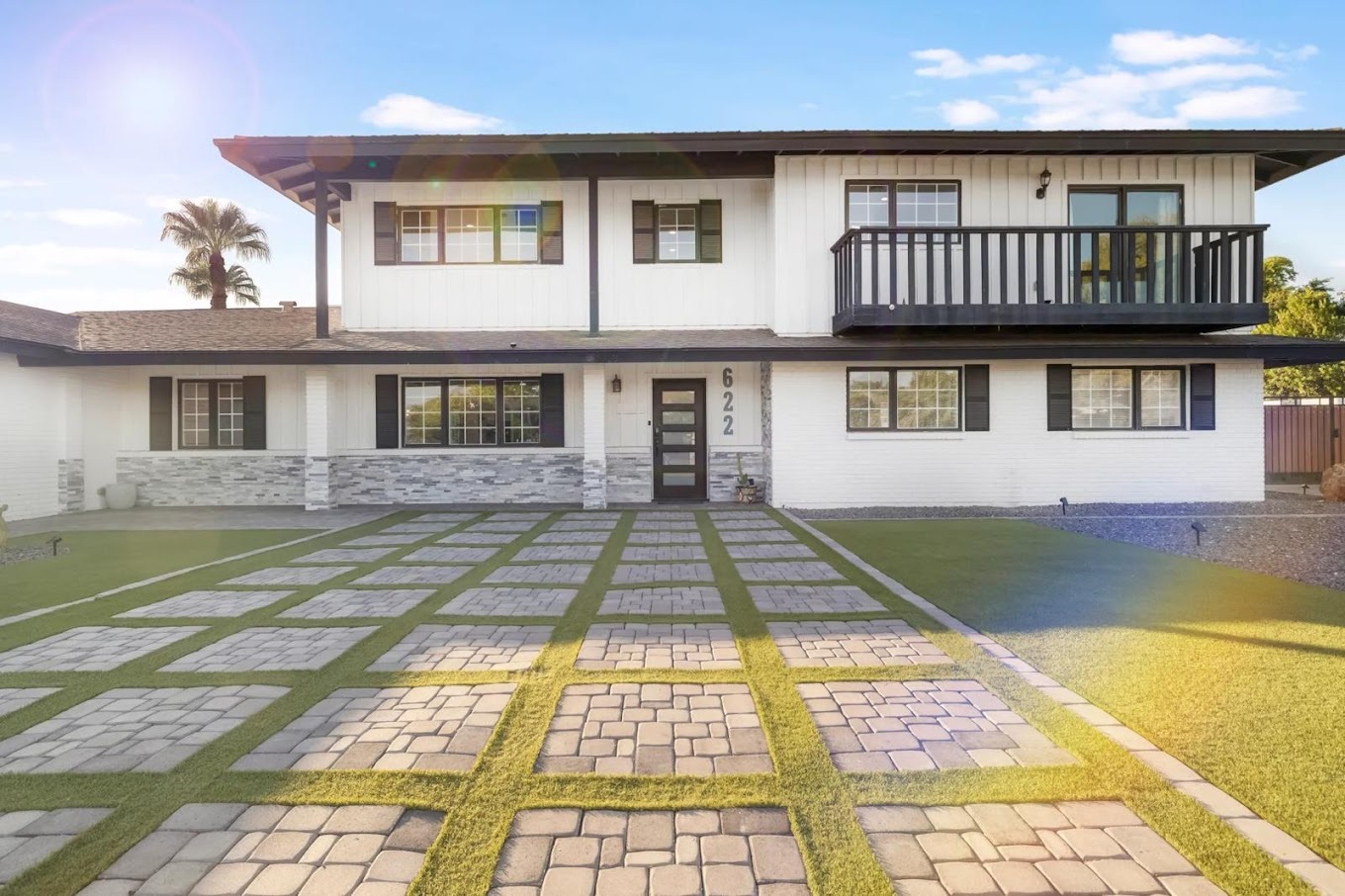
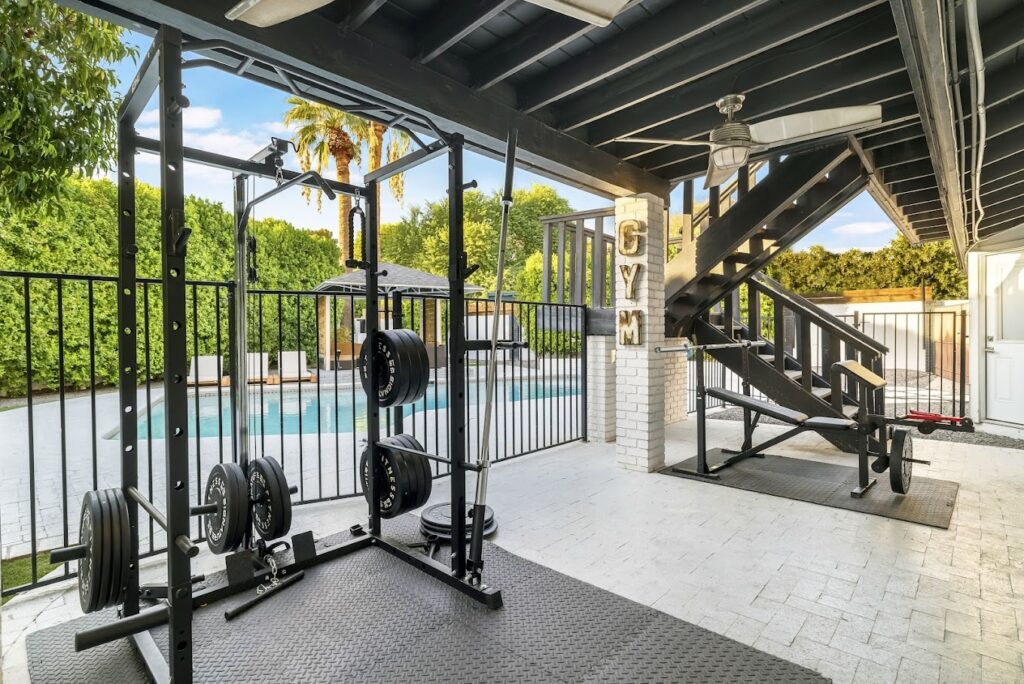
At The Embers Sober Living, residents experience upscale recovery housing designed to support their journey while providing the comforts of home. Our location combines peaceful surroundings with access to Phoenix’s best amenities, creating an environment where recovery can flourish.
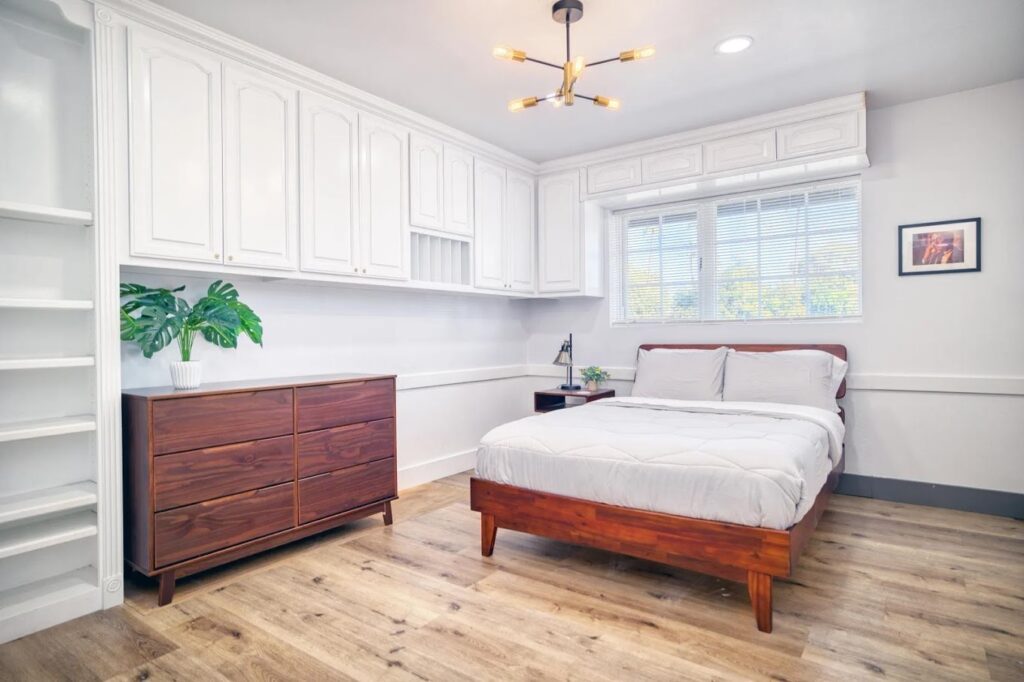
Thoughtfully designed spaces
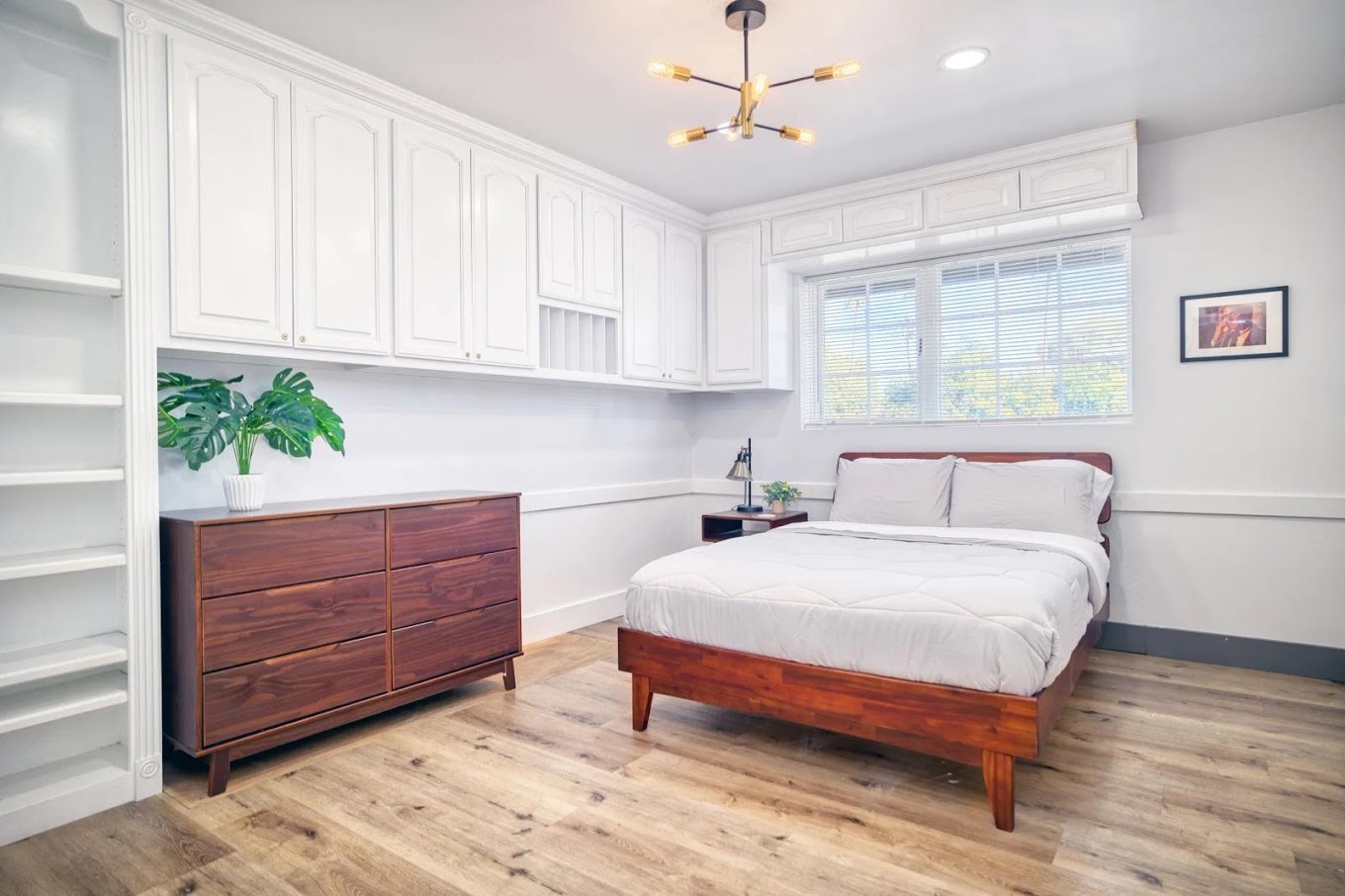
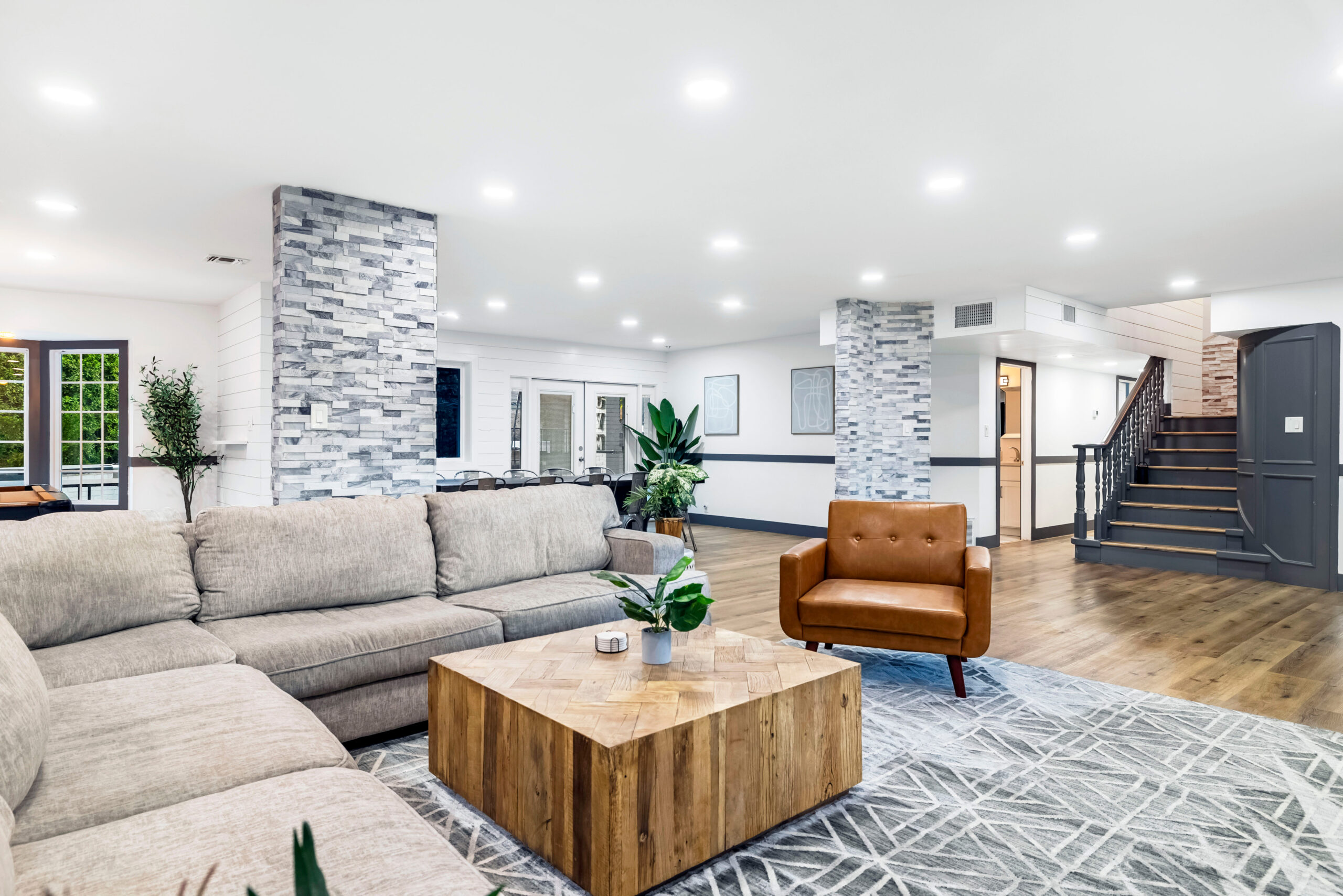
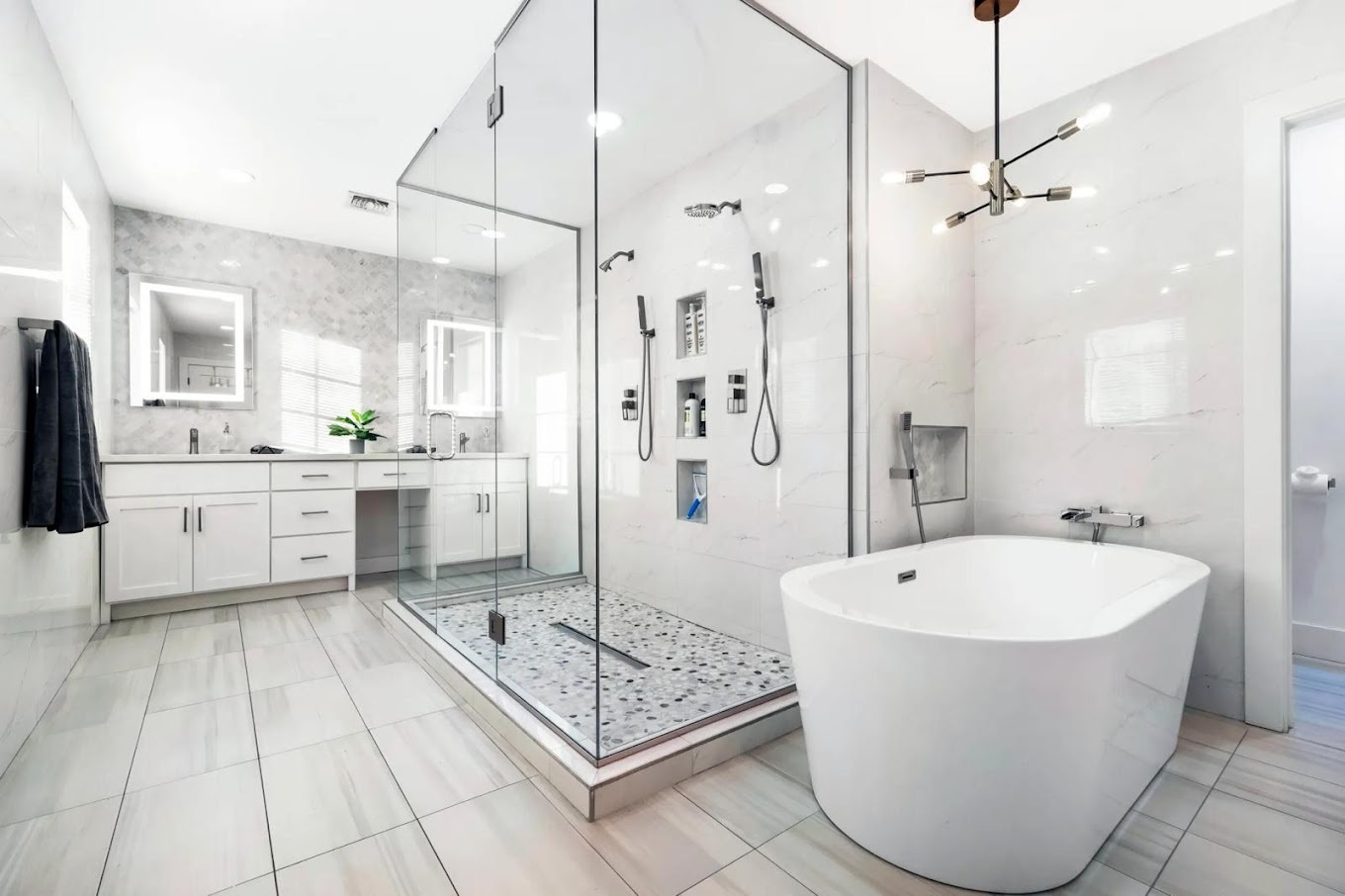
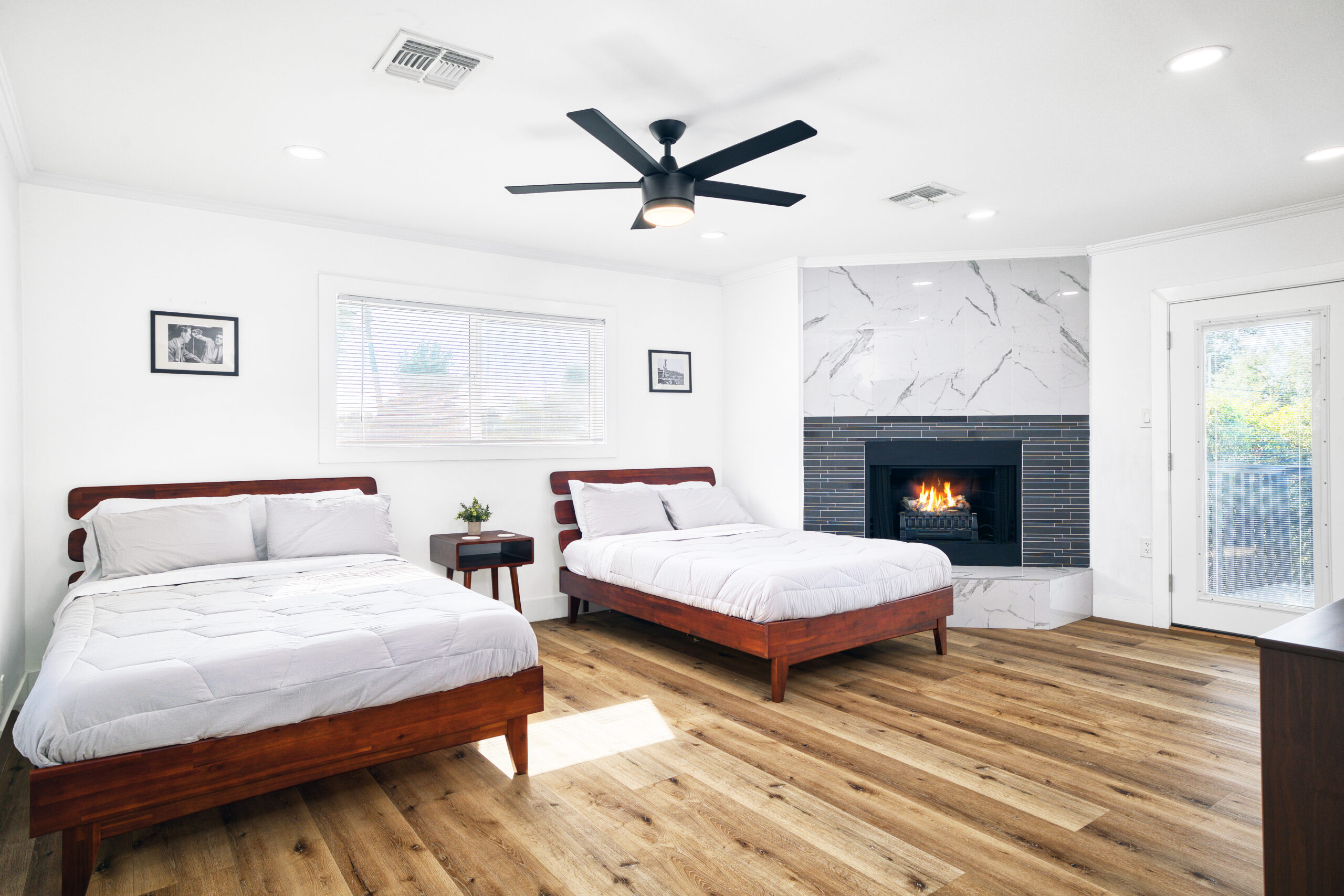
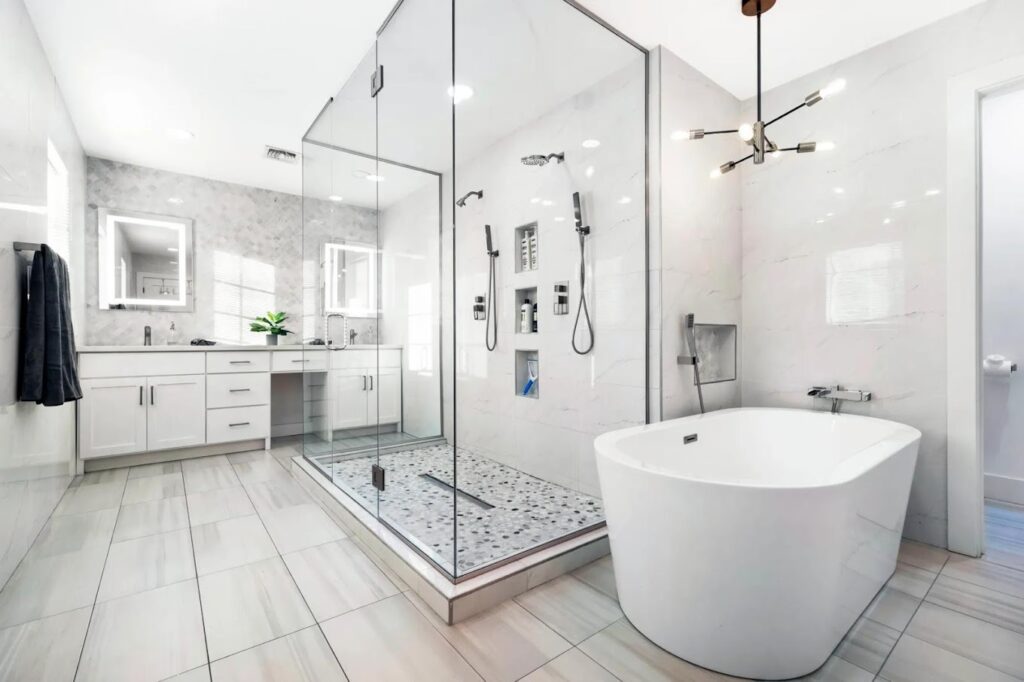
Comfortable, mid-century modern interiors with clean finishes and carefully chosen fixtures to create a calming, upscale atmosphere.
Peaceful surroundings
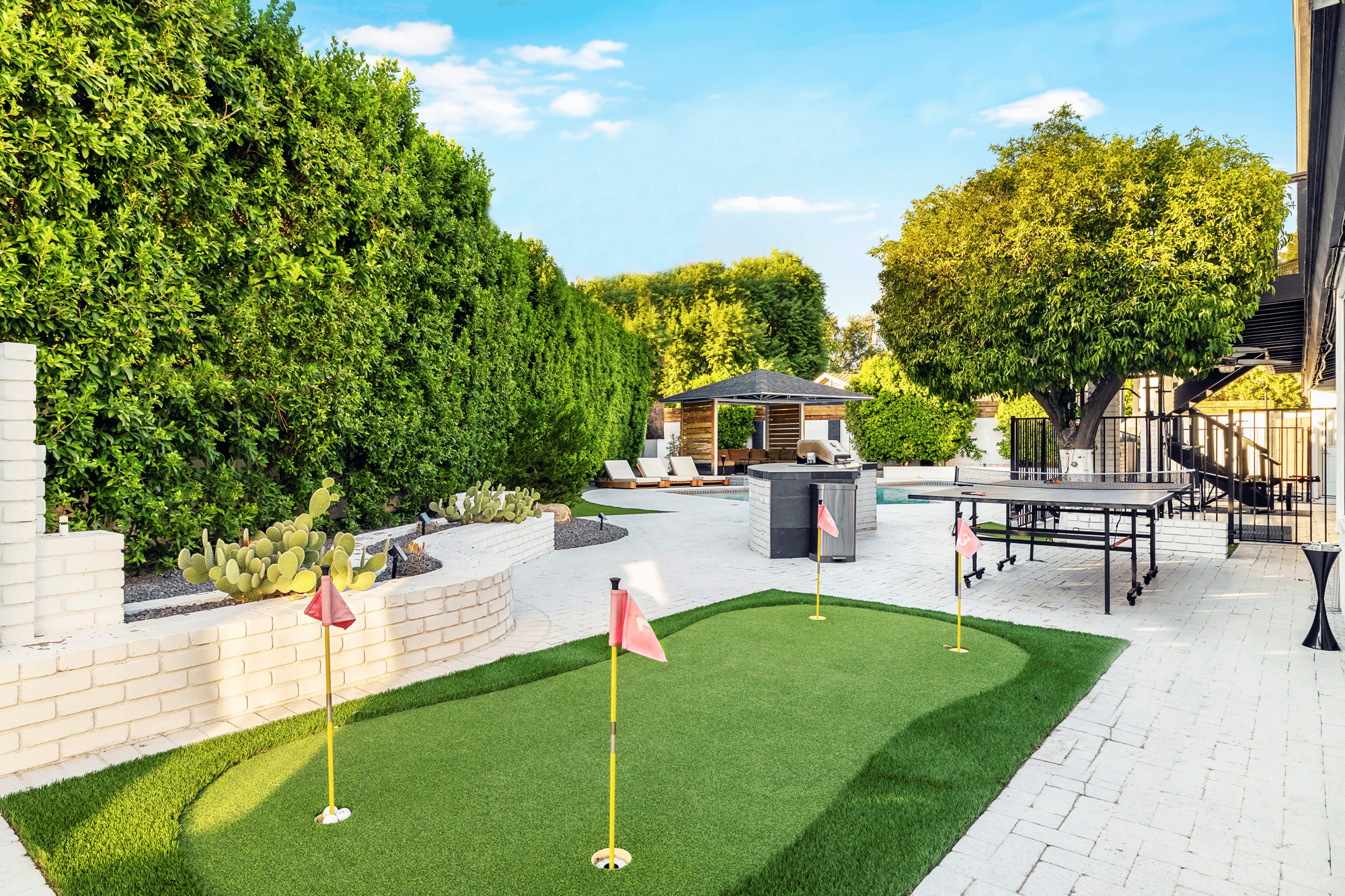
A peaceful property offering a private sanctuary in an upscale residential community.
Convenient location
Positioned in the heart of a safe and upscale neighborhood, providing easy access to dining, shopping, cultural attractions, and recovery resources.
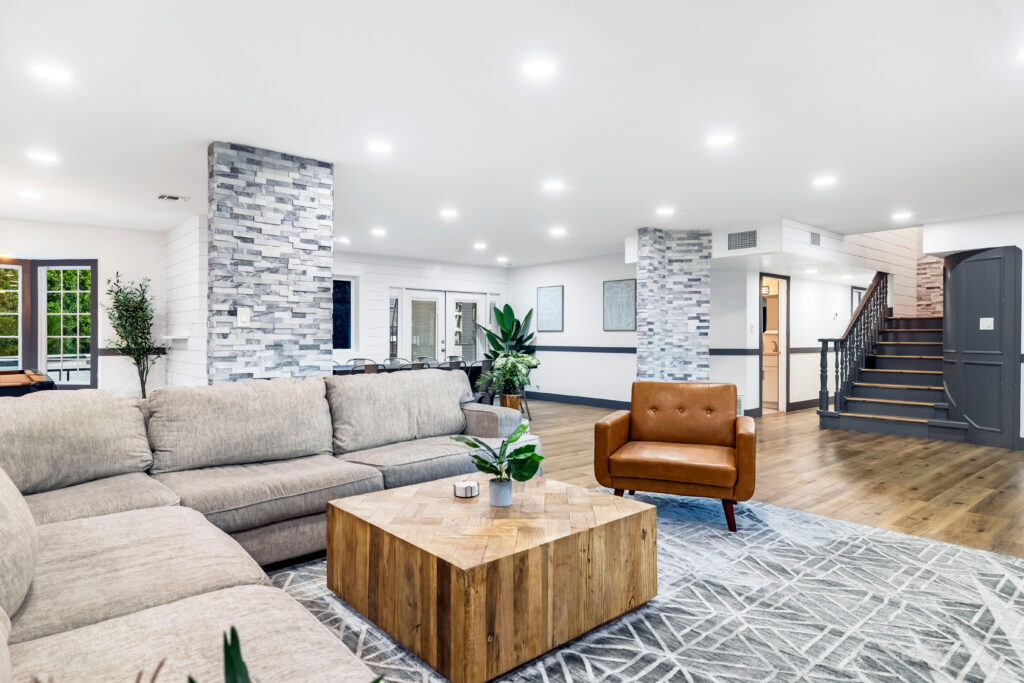
Community areas
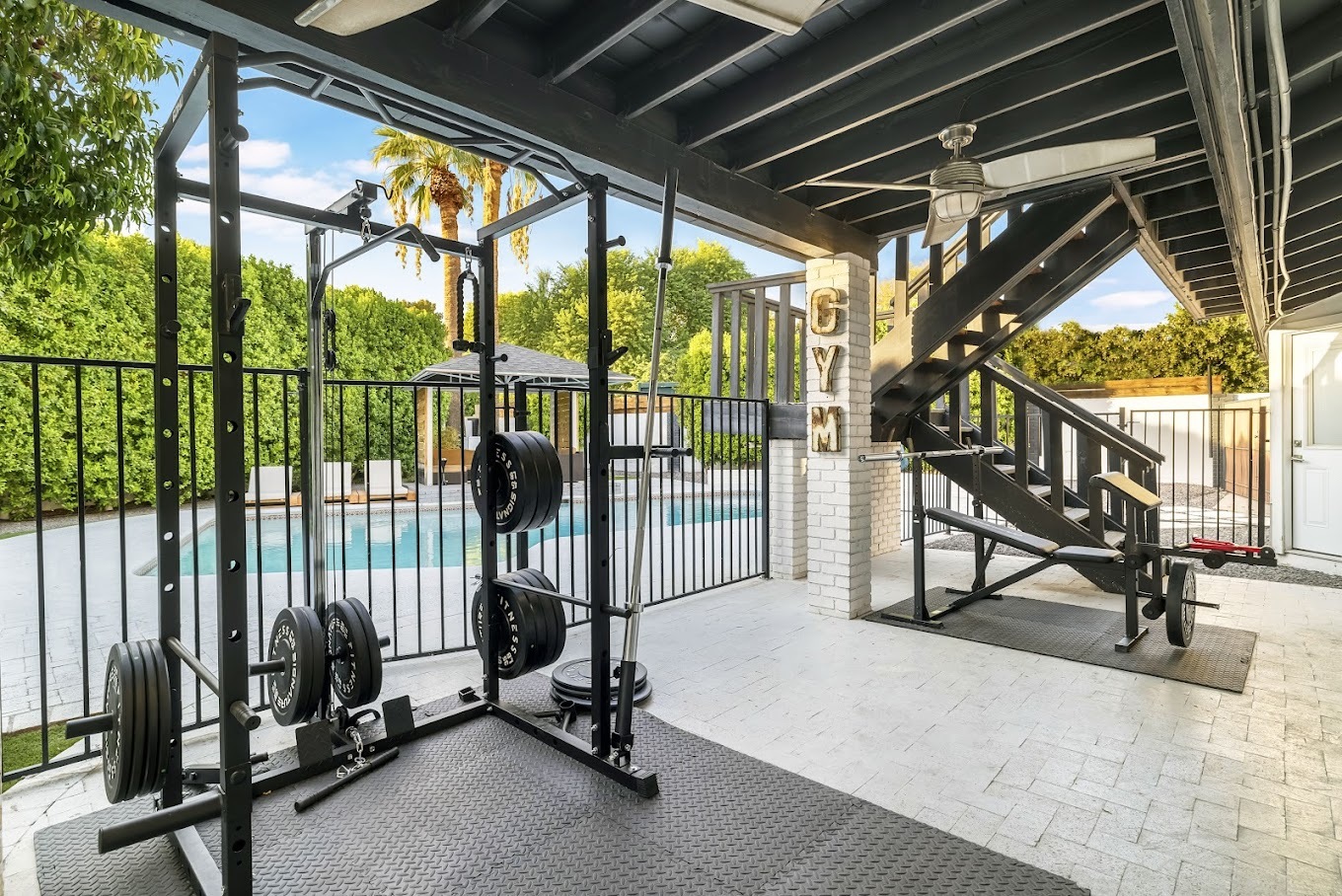
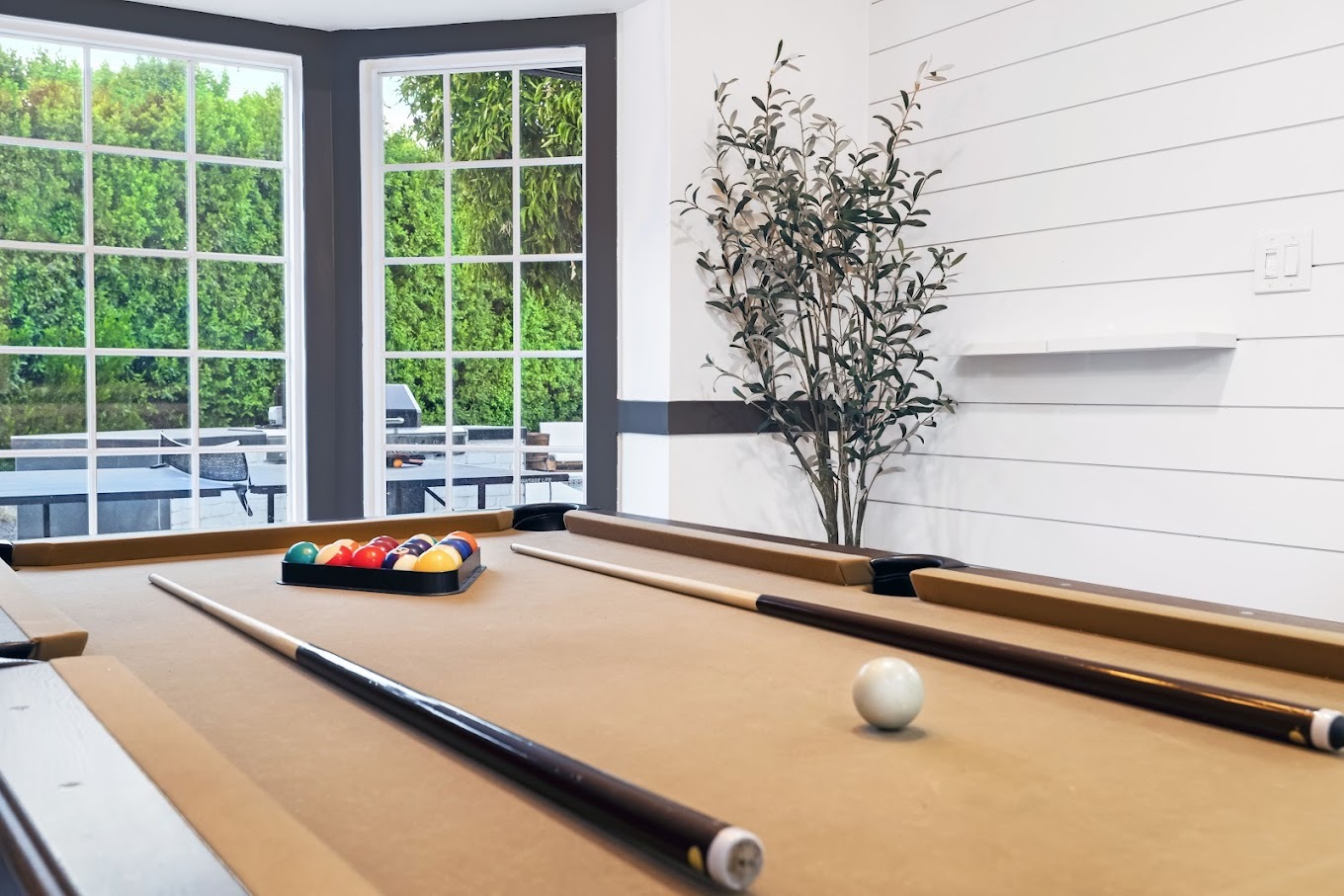
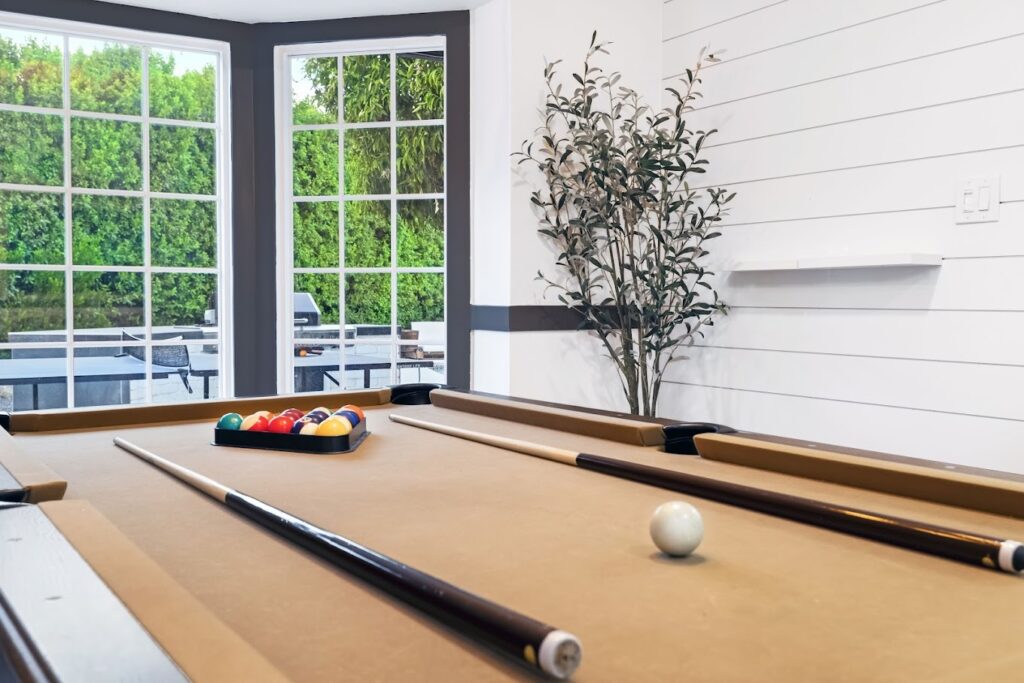
Inviting spaces designed for relaxation and connection, fostering a sense of community while maintaining comfort and privacy.
Recovery programming
Medication monitoring, one-on-one mentoring, family services, and more to help you build connection and accountability.
Professional support
Access to experienced staff and specialists who provide guidance as you prepare to reintegrate into your life, including money management and job placement assistance.
Flexible spaces
Areas designed for both individual reflection and group activities, supporting various aspects of the recovery journey.
Treatment Modalities at The Embers
The Embers delivers comprehensive care that combines evidence-based therapies, holistic practices, and practical life skills training. Through the combination of outpatient care, premier sober living, and individualized support, patients receive truly transformative care that addresses every aspect of recovery.
01
Art Therapy
Creative expression helps process emotions, reduce stress, and discover new ways to communicate and heal.
02
Cognitive-Behavioral Therapy
Evidence-based therapy focuses on identifying unhelpful thought patterns and developing healthier coping strategies.
03
Dialectical Behavior Therapy
Practical skills training improves emotional regulation, mindfulness, and interpersonal effectiveness.
04
EMDR
EMDR addresses unfavorable emotions associated with traumatic memories, allowing clients to experience the memories without the same emotional charge and begin healing.
05
Experiential Therapy
Hands-on activities and engaging exercises (such as yoga, red light therapy, and breath work) create opportunities for growth and self-discovery.
06
Family Therapy
Guided sessions help rebuild trust, improve communication, and strengthen family relationships.
07
Group Therapy
Small, focused groups of 8 to 10 people foster connection and mutual support through shared experiences.
08
Hypnotherapy
Engaging with the subconscious to address deep-rooted aspects of the recovery process.
09
Individual Therapy
One-on-one sessions address personal challenges and create tailored strategies for lasting recovery.
10
Internal Family Systems
IFS works to delve into several different aspects of your core self, unlocking new insights into the recovery experience.
11
Life Skills Development
Practical training builds essential abilities for independent living, from financial management to healthy routines.
12
Medication Management
Professional oversight ensures safe and effective use of prescribed medications when needed.
13
Mindfulness Coaching
Meditation and breathing techniques develop inner peace and emotional balance.
14
Neurofeedback
Science-based exploration of neural patterns that contribute to maladaptive patterns for increased growth and insight.
15
Trauma-Informed Care
A specialized approach creates safety and empowerment for clients working through past trauma.
16
Yoga Therapy
Guided sessions improve physical health, reduce stress, and enhance mind-body connection.

Frequently Asked Questions About Sober Living in Phoenix
How does sober living in Arizona differ from traditional halfway houses?
Sober living facilities like The Embers provide structured, upscale recovery housing that surpasses traditional halfway houses. Located in an upscale residential neighborhood, our recovery homes combine professional oversight, peer support, and high-end amenities. House managers maintain a supportive environment focused on personal growth and long-term sobriety, while residents have access to outpatient treatment and local recovery resources.
What should I look for in a quality sober living home in Phoenix?
Quality sober living environments in Phoenix should be licensed through AZRHA (Arizona Recovery Housing Association) and offer structured programming. Look for homes with professional house managers and clear rules, including curfews, required 12-step meeting attendance, and drug screening. The best facilities maintain strong connections with local treatment centers and provide access to both peer support and clinical care.
How does sober living work with outpatient treatment programs?
Recovery homes complement outpatient treatment by providing a substance-free living environment where clients can practice new skills. Many people attend intensive outpatient programs or treatment centers while residing in sober living. The combination creates a comprehensive recovery program – treatment provides clinical care and therapy, while sober living offers structure, accountability, and peer support. This integrated approach helps people build a strong foundation for sustained recovery.
How long should someone stay in sober living during their recovery journey?
While every person’s path differs, most residents benefit from staying in structured sober living for 3 to 6 months. This time allows people to work through rehab programs, establish healthy routines, build support networks, and develop crucial life skills. Many find that longer stays of 6 to 12 months provide the stability needed to achieve lasting sobriety. The Embers will support each resident’s individual timeline, offering the structure and support needed to transition successfully to independent living.
Sources
[1] Polcin, D. L., Korcha, R. A., Bond, J., & Galloway, G. (2010). Sober living houses for alcohol and drug dependence: 18-Month outcomes. Journal of Substance Abuse Treatment, 38(4), 356–365. https://pmc.ncbi.nlm.nih.gov/articles/PMC2860009/ on February 21, 2025
[2] Polcin, D. L., Korcha, R., Bond, J., & Galloway, G. (2010). What Did We Learn from Our Study on Sober Living Houses and Where Do We Go from Here? Journal of Psychoactive Drugs, 42(4), 425. https://pmc.ncbi.nlm.nih.gov/articles/PMC3057870/ on February 21, 2025