

Need Professional Help with Addiction?
Behavioral Health FAQs
Table of Contents
Key Points
- 211 is a free, toll-free helpline available to all Americans that connects callers to local health and human services, including food assistance, rent, mental health, and substance abuse resources.
- In 2000, the Federal Communications Commission (FCC) designated 211 as the official shortcode for accessing community resources across the United States.
- When you call 211, a trained resource specialist will refer you to a range of services available in your geographic area.
- The service is available 24 hours a day, 7 days a week in most parts of the country to help with a wide variety of social services.
- United Way is one of the primary non-profit organizations that provides both funding and operational support for 211 services nationwide.
- You do not need health insurance or a referral to use 211. The service is completely free and confidential for everyone.
- 211 can be extremely useful during crises, such as natural disasters, a pandemic like COVID-19, or any type of personal emergency.
When you’re in the middle of a crisis or unexpected hardship, it can sometimes feel like there’s nowhere to turn. But you are never alone.
Whether you’re struggling to keep the lights on in your home, need a safe place to sleep, or you or a loved one needs immediate support for a mental health crisis, help is closer than you think.
The 211 helpline is available to connect people like you with the local resources and services they need, when they need them the most. In this guide, we’ll walk you through everything you need to know about 211, including what it is, how it works, and how to use it to get the support you deserve.
What Is 211?
The 211 helpline is a free, confidential phone service that connects people in need to critical community resources and social services in their local area.
The Federal Communications Commission (FCC) officially designated 211 as the shortcoder for health and human services in 2000. This allows individuals and families throughout the US to access assistance without having to know exactly what agency or specific telephone number to call.
Much like 911 is used for emergency situations and 411 is used for directory assistance, 211 is used to centralize access to community information and resource referrals. According to United Way, which provides both funding and operational support for 211, this service now reaches approximately 99% of the population in the United States.[1] If you are experiencing challenges related to housing instability, food insecurity, mental health, or substance abuse, 211 is an excellent first step to getting assistance.
What Would You Call 211 For?
This is a common question that people have, and there are endless possibilities for why someone might call 211. The service connects callers to both government agencies and non-profit organizations, both of which provide critical resources to callers.
Some of the most common reasons people call 211 include:
- Housing and shelter: Providing assistance with finding emergency shelters, transitional housing programs, and providing assistance with rent payments for individuals or families facing eviction or homelessness.
- Food assistance: Helping callers find local food pantries, meal programs, or other resources providing nutrition assistance to low-income individuals or families.
- Utility assistance: Helping callers pay utility bills, including electricity, heating, and water costs.
- Mental health support: Helping individuals receive support through support groups, counselors, and/or crisis hotlines.
- Substance abuse resources: Helping individuals struggling with addiction find treatment programs, detoxification services, and/or recovery resources.
- Job training and employment: Providing job training programs, workforce development services, and/or job search assistance.
- Health care: Helping people to find no-cost clinics, health insurance, or community health services (both public and private).
- Disaster relief and disaster recovery: During events like hurricanes, wildfires, or a pandemic, 211 serves as a critical hub for connecting affected residents to disaster relief resources.
This is just a small selection of the many ways 211 can assist. The resource specialists at the 211 call centers are trained to respond to a wide variety of requests for assistance and are often able to refer callers to many programs they may not have known were available to them.
What to Expect When You Call 211
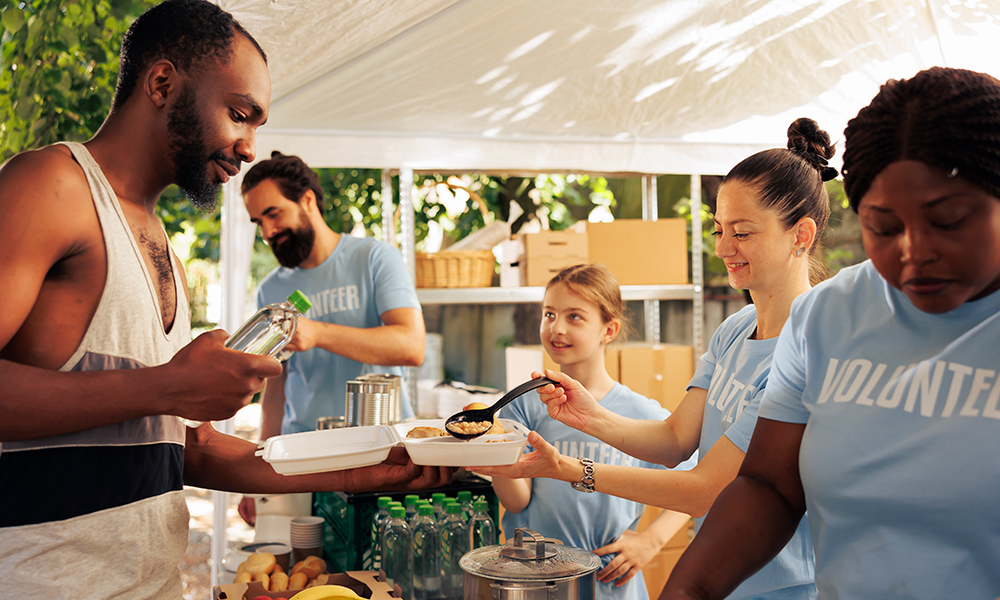
Having an idea of what you will experience when you call 211 can reduce your anxiety and fear of calling, and make it easier to find what is actually available in your community to assist you. Below is what you can expect:
- Getting Connected: When you dial 211, you are calling your local or regional center and speaking with resource specialists who are knowledgeable regarding all resources available in your community. Depending on your location, you may be able to speak to a live representative immediately when you call, or you may need to navigate through a brief automated menu before reaching a live rep.
- Needs Assessment and Referrals: Once the resource specialist answers your call, they will ask you questions so that they can determine exactly what assistance you need. Using both government and non-profit databases, the specialist will then provide you with referrals related to your specific needs. In many cases, the resource specialist will directly connect you with the agency providing assistance or will assist the caller in completing the intake process. All calls to 211 are free, confidential, and available in multiple languages.
- Access to Resources: According to 211.org, resource specialists have access to constantly updated databases that contain thousands of resources available in their local area, both in the public and private sectors. These calls can save the caller so much time spent searching the internet or making multiple phone calls just to find the assistance they need.
How to Access 211 Services
Calling 211 is the fastest and most direct way to access this service; however, there are other ways to connect with resources through most 211 providers.
- Online: Most regional 211 services have websites where you can search for local resources directly. If you do not know your local 211 provider’s web address, visiting 211.org is a good place to start.
- By Text: Some 211 services allow you to text your zip code to 898-211 to receive resource referrals via text message. Availability for this service varies by region, so check availability by visiting 211.org or doing a Google search for “211 texting” along with your zip code.
- Chat: A growing number of 211 call centers now have live chat via their websites available for people who may have trouble calling due to disabilities or language barriers.
It’s important to note that availability and hours of operation for the 211 services are determined by location. While many call centers are available 24 hours a day, 7 days a week, some regions have limited hours. If you cannot reach a live specialist, you may still use the online search tools located at 211.org to find community information and referral services at any time.
211 and Mental Health or Substance Abuse Support
211 can be an invaluable resource for individuals with mental health issues or substance abuse problems. Having a place to turn for help before things reach a crisis may be the difference between receiving assistance and going without it.
Resource specialists have received training and know how to refer callers to a variety of mental health and substance abuse services, including inpatient treatment programs, outpatient treatment programs, crisis intervention services, peer support groups, and community counseling resources. During the COVID-19 pandemic, many 211 services received an increased call volume for mental health and substance abuse service information.[2] This increase highlights the demand for easy-to-access and low-barrier support services.
If you or someone close to you is struggling with addiction or mental illness, 211 can help you begin the search for professional help from a provider you can trust, such as Embers Recovery. At Embers, you will receive comprehensive, evidence-based support services designed to assist you in becoming able to live independently of substances.
Reaching out to 211 is a great first step, and Embers Recovery is here to assist you when you are ready to take the next one. Please contact us today for more information about our treatment programs.
Frequently Asked Questions
Sources
[1] United Way Worldwide. (n.d.). Our impact. https://www.211.org/about-us/our-impact
[2] Kreuter, M. W., et al. (2020). 3.5 million social needs requests during COVID-19: What can we learn from 2-1-1? Health Affairs. https://www.healthaffairs.org/content/forefront/3-5-million-social-needs-requests-during-covid-19-can-we-learn-2-1-1
Embers Recovery Editorial Guidelines
At Embers Recovery, we take your health and wellness seriously. We have a thorough process in place to ensure the integrity of information that is displayed on our website. All content published to our site undergoes a rigorous medical review by a doctorate level clinician to ensure medical accuracy.
Read More About Our Process