


Need Professional Help with Addiction?
Behavioral Health FAQs
Table of Contents
Key Points
- PCP is a dissociative drug that causes hallucinations, delusions, and depersonalization.
- PCP has been classified by the DEA as a Schedule II controlled substance and has no accepted medical use.
- The effects of PCP can be disturbing and last for up to 48 hours.
- PCP remains in the system for up to 5 days, and specific drug tests can detect it for up to 3 months.
- Some of the many effects of PCP include paranoia, violent behavior, anxiety, nausea, and loss of coordination.
- PCP is considered an addictive drug and may cause substance use disorder (SUD)
- Signs of SUD include drug cravings, withdrawal symptoms when not taking the drug, and building a tolerance to the drug.
- PCP withdrawal symptoms may include muscle twitching, weight loss, and confusion
- PCP overdose is possible and can be deadly.
- Other possible effects of a PCP overdose include kidney failure, seizures, and long-term psychiatric problems
- It may be necessary to keep a safe distance from people who have taken PCP, as they can become violent.
- Addiction treatment services for PCP include detoxification services, intensive outpatient treatment, and relapse prevention support.
The effects of PCP begin almost immediately after taking the drug and can last between four and forty-eight hours, depending on the dose you took as well as how your body metabolizes the drug. After the drug wears off, traces will remain in your system for up to five days. A drug test may be able to detect the presence of PCP for up to 90 days, depending on the type of test administered.
What is Phencyclidine (PCP)?
PCP is a dissociative or hallucinogenic drug often abused recreationally. Also called Angel Dust, this illegal narcotic can cause hallucinations, depersonalization, and derealization, which can cause one to feel disconnected from oneself, as if you’re observing from the outside. [1] It may be recognizable as a pure white powder in its original state, but it is often laced with other drugs or cutting agents, which can give it a variety of hues.
PCP was initially developed as an anesthetic but was discontinued because of its severe side effects. It is now considered a Schedule II controlled substance by the U.S. Drug Enforcement Administration (DEA).
PCP is dissolvable in either water or alcohol and is sometimes purchased in liquid form. This drug can be used in different ways, including injecting it, snorting it, swallowing it in pill form, or smoking it. PCP is sometimes added to tobacco or marijuana when smoked. In this case, it could be referred to as other street names like killer weed or super grass.
Effects of PCP
The effects of PCP can depend on the amount you take as well as individual factors like height, weight, and metabolism. These effects may include both physiological and psychological symptoms that range from moderate to severe. PCP can cause a number of effects, including: [2]
- Slurred speech
- Amnesia
- Blank stare
- Auditory hallucinations
- Anxiety
- Paranoia
- Excessive sweating
- Nausea
- Vomiting
- Violent or aggressive behavior
- Unusual eye movements
- Loss of coordination
- Blurry vision
- Drooling
- Dizziness
- Low blood pressure
- Slowed breathing
- Psychosis
In some cases, PCP causes individuals to feel like they’re floating or like they have superhuman powers. This mind-altering effect could cause them to behave in uncharacteristic ways, possibly putting themselves or others in harm’s way. PCP also has a pain-relieving effect, so many people who get seriously injured while taking this drug don’t realize they’re hurt and thus fail to seek the required medical attention.
Long-term use of PCP or high frequency of use can lead to serious issues such as memory problems, stuttering, slurring words, and trouble thinking clearly. Serious mood problems can also develop, including anxiety, depression, and suicidal ideation. [3]
How Long Does PCP Last?
A single dose of PCP can cause effects that typically last between four and six hours, but it can remain in your system for much longer. [4] Higher doses can result in persistent effects lasting up to 48 hours in some cases.
The half-life of PCP is estimated to be about 21 hours on average. [5] Based on this estimate, PCP may remain in the human body for up to 5 days, depending on a person’s drug metabolism. Traces of PCP can be detected by a drug test for even longer. For example, the detection window for a urine test is up to 8 days. [6] In hair tests, PCP can be detected for up to 3 months.
Signs of PCP Addiction
PCP is considered an addictive drug and long-term use can lead to a substance use disorder (SUD). According to the American Psychiatric Association (APA), symptoms of SUD include: [7]
- Experiencing cravings for PCP
- Trouble controlling how much PCP you use or the frequency of use
- Continuing to use PCP despite it causing professional, academic, or relationship problems
- Continuing to use PCP even though it’s making a physical or mental health condition worse
- Dangerous or risky behavior,, such as driving under the influence
- Giving up other activities to use this illicit drug
- Developing a tolerance for PCP
- Failing to meet deadlines or fulfill other responsibilities due to PCP use
- Unsuccessful attempts to stop using PCP
- Spending a lot of time trying to get PCP, using PCP, or recovering from its effects.
According to the APA’s Diagnostic and Statistical Manual of Mental Disorders, Fifth Edition (DSM-5), demonstrating just two or more symptoms could indicate a substance use disorder. Four or more symptoms can indicate a moderate or severe substance use disorder. Getting help for yourself or a loved one as soon as you begin to observe signs of addiction can speed up recovery and lead to a more favorable outcome.
PCP Withdrawal Symptoms
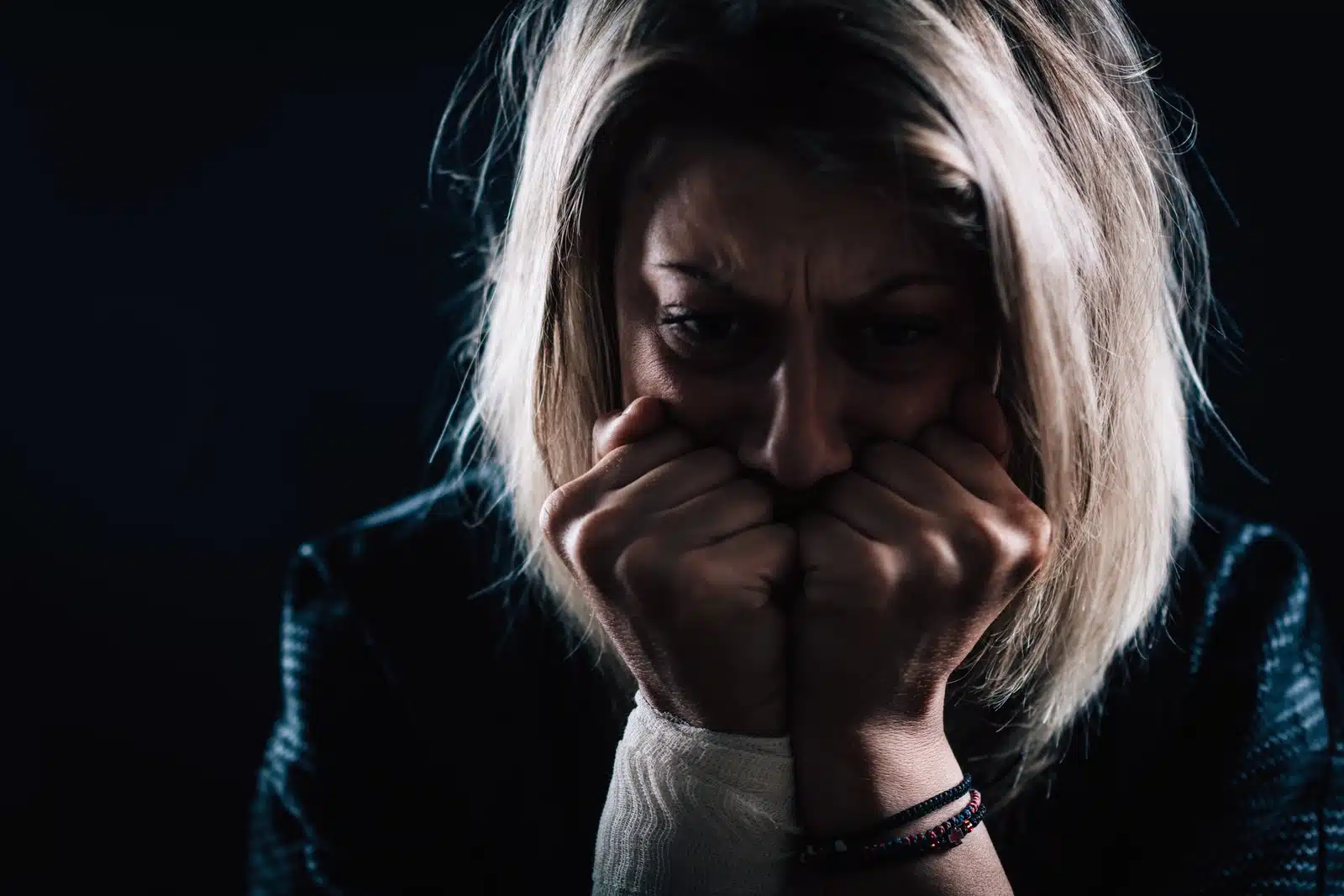
Experiencing withdrawal symptoms is one of the hallmarks of PCP addiction. If you or a loved one stops using PCP abruptly, you may notice withdrawal effects such as: [8]
- Agitation
- Fear
- Anxiety
- Confusion
- Hallucinations
- Weight loss
- Muscle twitching
- Increased body temperature
- Seizures
Experiencing withdrawal symptoms can be a barrier to quitting PCP. Treatment facilities and rehabilitation centers are equipped to address withdrawal effects so that detoxification is more tolerable.
Signs of PCP Overdose
If you engage in PCP abuse, you run the risk of overdosing on this illicit drug. Signs and symptoms of an overdose include: [9]
- Uncontrolled movements
- Psychosis
- Seizures
- Agitation or violent behavior
- Catatonic trance
- Hallucinations
- High blood pressure
- Uncontrollable movement of the eyes
- Losing consciousness
- Coma
Signs of a PCP overdose should be treated as a medical emergency. Call 911 and keep a safe distance from the person. PCP effects can include violent or aggressive behavior. You can also call the poison control helpline at 1-800-222-1222.
The outcome of a PCP overdose can include death, a prolonged psychotic state, long-term psychological effects, kidney failure, and seizures. It could depend on the dosage of PCP and how long it took for emergency services to arrive.
Mixing PCP with other central nervous system depressants such as opioid drugs, alcohol, or benzodiazepines can significantly increase the risk of a fatal overdose. These drugs can cause respiratory depression, and when combined or used in high doses, can slow or stop your breathing.
PCP Addiction Treatment
PCP addiction is a severe disorder that requires professional treatment. Detoxing from this drug alone can be uncomfortable and even dangerous (for yourself and others). Fortunately, effective and compassionate care is available. Treatment options for PCP may include detoxification services, inpatient treatment, intensive outpatient treatment, and aftercare support. You don’t have to face substance abuse and addiction alone.
Frequently Asked Questions About PCP Detection and Duration
Sources
[1] [2] [4] PCP (Angel Dust): Effects, hazards & extent of use. Drugs.com. (n.d.-ad). https://www.drugs.com/illicit/pcp.html
[3] [8] [9] U.S. National Library of Medicine. (n.d.-k). Substance use – phencyclidine (PCP): Medlineplus medical encyclopedia. MedlinePlus. https://medlineplus.gov/ency/patientinstructions/000797.htm
[5] Journey, J. D. (2023, September 4). Phencyclidine toxicity. StatPearls [Internet]. https://www.ncbi.nlm.nih.gov/books/NBK507865/
[6] Phencyclidine (PCP) – mayo clinic laboratories. (n.d.). https://www.mayocliniclabs.com/test-catalog/drug-book/specific-drug-groups/pcp
[7] What is substance use disorder?. Cleveland Clinic. (2025z, July 7). https://my.clevelandclinic.org/health/diseases/16652-drug-addiction-substance-use-disorder-sud
[10] Farley, T. M., Anderson, E. N., & Feller, J. N. (2017, November 23). False-positive phencyclidine (PCP) on urine drug screen attributed to desvenlafaxine (Pristiq) use. BMJ case reports. https://pmc.ncbi.nlm.nih.gov/articles/PMC5720316/
[11] Drug Testing Faqs. Drugs.com. (n.d.-m). https://www.drugs.com/article/drug-testing.html
Embers Recovery Editorial Guidelines
At Embers Recovery, we take your health and wellness seriously. We have a thorough process in place to ensure the integrity of information that is displayed on our website. All content published to our site undergoes a rigorous medical review by a doctorate level clinician to ensure medical accuracy.
Read More About Our Process![For ADHD, Concerta stimulate underactive brain areas [4] responsible for attention, hyperactivity and impulse control.](https://emberstreatmentcenter.com/wp-content/uploads/2025/12/Concerta-the-effects-the-cardiovascular-stress-from-heart-rate-and-increases-blood-pressure-600x403.jpg)