

Need Professional Help with Addiction?
Behavioral Health FAQs
Table of Contents
- What Is Sudden Sniffing Death Syndrome?
- What Causes Sudden Sniffing Death?
- Which Substances Are Most Commonly Linked to SSDS?
- Who Is Most at Risk?
- Signs of Inhalant Use and SSDS Warning Signs
- What to Do in an Emergency
- How Can Sudden Sniffing Death Syndrome and Inhalant Abuse Be Prevented?
- Treatment and Support for Inhalant Misuse
Key Points
- Single Use Risk: Sudden Sniffing Death Syndrome can happen after just one episode of inhalant use.
- Biological Causes: Sudden Sniffing Death Syndrome is most often caused by fatal heart rhythm changes or lack of oxygen.
- Household Hazards: Many everyday household products can be misused as inhalants, carrying high risks despite being legal.
- Emergency Recognition: Knowing emergency warning signs can save a life and requires immediate medical attention.
- Collaborative Prevention: Prevention requires coordinated efforts at home, school, and in the community to be effective.
Sudden Sniffing Death Syndrome (SSDS) is the sudden and unexpected death due to the inhalation of certain chemical vapors and gases, sometimes called huffing or whippets; this can occur in both males and females, usually adolescents and young adults.
SSDS can sometimes happen with the first-time use of inhalants.
Understanding how and why SSDS occurs helps to prevent SSDS and encourages recovery for individuals who have abused inhalants.[1]
What Is Sudden Sniffing Death Syndrome?
Sudden sniffing death syndrome is the sudden, unexpected death that can occur after inhaling certain chemical vapors or gases.
Clinical Definition of SSDS
SSDS is an acronym for sudden deaths caused by the inhalation of chemicals in various commercial or household products.
SSDS occurs primarily with sudden cardiac arrest, which is defined as stopping the pumping of the heart due to chemical inhalation and possibly caused by an inability to maintain sufficient oxygenation of the brain.[2]
An article published by MedlinePlus stated that inhalation of chemicals can affect both heart rate and respiration and can result in the immediate death of the inhaler.[3]
Why It Can Happen the First Time
One of the most alarming aspects of sudden sniffing death syndrome is that it can happen during a person’s first experience with inhalants.
Short-acting intoxication, high-dose exposure, and patterns such as binge use or “bagging,” which means inhaling concentrated fumes in an enclosed space, increase risk.
Importantly, age, physical fitness, and overall health do not protect against SSDS.
Nationwide Children’s Hospital emphasizes that the body’s response to inhalants is unpredictable, making any use dangerous.[4]
What Causes Sudden Sniffing Death?
Understanding what causes sudden sniffing death syndrome helps explain why it is so dangerous and difficult to predict.
Cause #1: Fatal Heart Rhythm Changes
Inhaled chemicals are associated with abnormal heart rhythms known as arrhythmias (or abnormal heartbeats), which can result in sudden cardiac arrest, leading to unexpected mortality.
Inhalants increase the sensitivity of the heart to adrenaline, according to MedlinePlus.[3]
In layman’s terms, this means that inhalants negatively impact the electrical conduction system of the heart responsible for coordinating the timing of each heartbeat.
A sudden shock, exercise or exertion, and stress are stimuli for adrenaline release, which can also precipitate the emergence of lethal changes in the rhythm of the heart [2].
Cause #2: Suffocation and Oxygen Displacement
Another major cause of sudden sniffing death syndrome is a lack of oxygen.
Inhalants can also cause oxygen deprivation because they take up space in the lungs where oxygen would normally be delivered to the brain and heart.
Bagging and high doses of inhalants increase the risk of suffocation and consequently SSDS.[5]
MedlinePlus notes that oxygen deprivation alone can cause loss of consciousness, brain injury, or death.[3]
Other Mechanisms Sometimes Involved
In some cases, seizures, choking on vomit, or accidental injury during intoxication may contribute.
These mechanisms are less common but highlight the broader dangers of inhalant abuse.
Which Substances Are Most Commonly Linked to SSDS?
Many people are surprised to learn how common and accessible these substances are.
High-Risk Categories
The U.S. Consumer Product Safety Commission (CPSC) and the Drug Enforcement Administration (DEA) both warn that misuse of these products can be deadly.[5]
Common Household Examples
Because these products are typically located in people ‘s homes, schools, and businesses, they may be incorrectly used as inhalants.
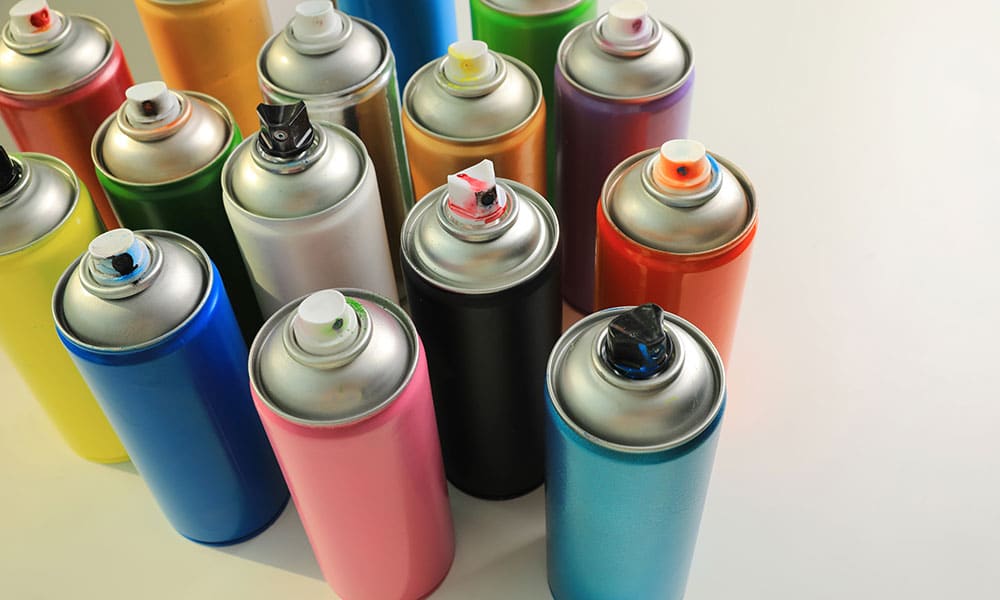
According to the National Institute on Drug Abuse (NIDA), many people can take advantage of everyday products to be abused, even if they are legal and can be purchased in most retail stores.[4] Some of these can include spray paint, paint thinners, cleaning fluids, spray deodorant, hair spray, correction fluid, whipped cream, and other aerosol sprays.
Why “legal” does not mean safe: Although a product may be legally marketed, this does not mean that the product is safe when a consumer uses it in a manner other than what the manufacturer intended.
Who Is Most at Risk?
Youth and Access Factors
Adolescents and young adults are disproportionately affected by SSDS due to the high accessibility, affordability, and ability to conceal inhalants.
The National Institute on Drug Abuse (NIDA) reports that adolescents are especially susceptible to peer influences and curiosity during this developmental phase.[4]
Situational Risk Factors
The heart and lungs are placed under extra stress if inhalants are used alone, in enclosed areas, with any additional substances, after participating in physical activity, or because of an immediate shock.
Signs of Inhalant Use and SSDS Warning Signs
Possible Signs Someone Has Been Using Inhalants
Possible indicators that someone has been using inhalants can include a chemical smell on the person’s breath or clothing, spray paint or other residue on the person’s face, body, or clothes, fainting, nausea, confusion, or unusual tiredness.
These are not necessarily diagnostic; however, they can indicate the need for help [2].
Emergency Warning Signs (Seek Urgent Help)
Collapse, seizures, cessation of or irregular breathing, blue lips or fingers are medical emergencies. These types of indications require immediate medical assistance [1].
What to Do in an Emergency
If you act quickly, there is a possibility of saving someone’s life.
Immediate Steps
Call emergency services immediately if the person is not breathing or is unresponsive. If trained, begin CPR and follow the instructions provided by the 911 dispatcher.
If an unconscious person is breathing, then place them in the recovery position.
Open windows and doorways to eliminate inhalation exposure; avoid inhaling fumes.
If a person becomes responsive while you are giving care, do not stop because health issues can exist after a person regains consciousness.
How Can Sudden Sniffing Death Syndrome and Inhalant Abuse Be Prevented?
Prevention at Home
Monitor and protect the use of products that are typically used as inhalants.
Monitor the amounts used and how they are stored.
The U.S. Consumer Product Safety Commission (CPSC) advises starting communication with children as early as possible, with age-appropriate methodologies that will help prepare them to accept when parents tell them that their first use of a product may lead to death.[1]
Recognizing and documenting behavioral or health changes and avoiding any judgment for such actions can assist in providing an avenue to get additional support.
Prevention in Schools and Youth Programs
The school can help reduce risks associated with inhalant abuse by training its employees, having clear response protocols, and developing safe storage policies for aerosol/compressed gas products.
Schools should adopt an evidence-based prevention curriculum and communicate regularly with the families to further enhance prevention efforts.
Community and Public Health Prevention
Community education efforts, partnerships with retailers, and the formation of prevention coalitions are very helpful in preventing inhalant abuse.
Promoting available poison control resources and local support services will help normalize seeking assistance for inhalant use.
Treatment and Support for Inhalant Misuse
When to Seek Professional Help
It is highly recommended that individuals who engage in the use of inhalants seek professional intervention when they are experiencing repeated use of inhalants, have symptoms of withdrawal, or are presenting with mental health symptoms such as anxiety, depression, or suicidal ideation (thoughts about ending one’s own life).
What Treatment May Include
While each individual’s course of treatment can be specific to individual needs, treatment will typically involve the comprehensive evaluation of the individual, the provision of mental health counseling or therapy, and the inclusion of family support.
Evidence-Based (practical application of the findings of the best available current research) treatment approaches can include Cognitive Behavioral Therapy, in which the individual actively works on identifying and changing non-helpful thoughts and behaviors, and Dialectical Behavioral Therapy, which teaches skills to manage and regulate emotions and behaviors.
Frequently Asked Questions
Sources
[1] U.S. Consumer Product Safety Commission. (n.d.). A parent’s guide to preventing inhalant abuse. https://www.cpsc.gov/safety-education/safety-guides/containers-and-packaging/parents-guide-preventing-inhalant-abuse
[2] Baykara, B. (2023). The clinical assessment and treatment of inhalant abuse. Cureus, 15(4), e37854. https://pmc.ncbi.nlm.nih.gov/articles/PMC10266853/
[3] MedlinePlus. (2024, May 4). Inhalants. National Library of Medicine. https://medlineplus.gov/inhalants.html
[4] Nationwide Children’s Hospital. (n.d.). Primer: A parent’s guide to inhalant abuse. https://www.nationwidechildrens.org/family-resources-education/family-resources-library/primer-a-parents-guide-to-inhalant-abuse
[5] Drug Enforcement Administration. (n.d.). Inhalants. Fact Sheets. https://www.dea.gov/factsheets/inhalants
Embers Recovery Editorial Guidelines
At Embers Recovery, we take your health and wellness seriously. We have a thorough process in place to ensure the integrity of information that is displayed on our website. All content published to our site undergoes a rigorous medical review by a doctorate level clinician to ensure medical accuracy.
Read More About Our Process